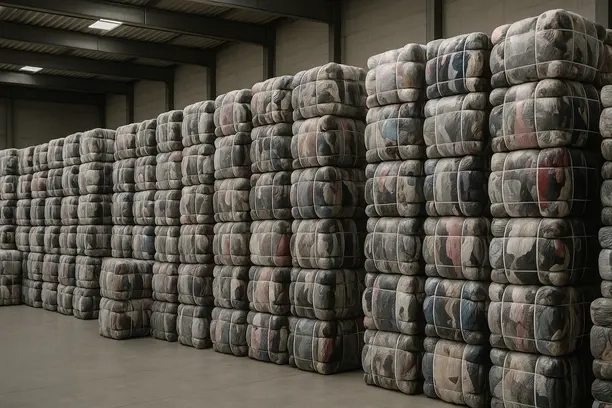
Wholesale opportunities involving used clothes in a bulk present a significant avenue for B2B businesses in the UK. As trade buyers increasingly seek sustainable and cost-effective solutions, sourcing quality second-hand apparel can enhance product offerings and foster profitability. With the rise in consumer demand for eco-friendly fashion, the wholesale second-hand clothing market is expanding, allowing businesses to capitalize on these trends while contributing to environmental sustainability.
Table of Contents
- Benefits of Sourcing Used Clothes in Bulk
- Understanding the Wholesale Second-Hand Clothing Market
- Key Factors Affecting Clothing Disposal
- Navigating Supply Chain Risks
- Assessing Clothing Grading Criteria
- Environmental Impact Considerations
Benefits of Sourcing Used Clothes in Bulk
Sourcing used clothes in a bulk allows businesses to take advantage of lower costs per unit compared to new clothing. This cost efficiency makes it easier for resellers and store owners to maintain competitive pricing, enhancing profit margins. Furthermore, the growing trend towards sustainability in the fashion industry provides an opportunity to appeal to environmentally conscious customers eager for second-hand apparel.
According to a study on Life Cycle Assessment, sustainability practices in the textiles industry contribute positively to both brand image and profitability. Businesses that prioritize eco-friendliness may attract a broader customer base, reinforcing the demand for bulk second-hand clothing.
Understanding the Wholesale Second-Hand Clothing Market
The wholesale second-hand clothing market in the UK is rapidly evolving, driven by increased consumer awareness and changing shopping habits. As reported in a consumer behaviour study, many buyers now show a preference for sustainable clothing options, further driving demand within this sector.
Importantly, understanding market trends and customer preferences allows businesses to tailor their offerings effectively. The second-hand market not only reduces textile waste but also supports local economies, offering potential growth opportunities for trade buyers. With the right data, businesses can make informed decisions on inventory selection and marketing strategies.
Key Factors Affecting Clothing Disposal
Understanding the factors that influence clothing disposal is crucial for bulk wholesale operations. A study on clothing disposal highlights that knowledge and awareness influence consumers' choices regarding second-hand purchases and disposal practices, which can affect the supply chain.
Life Cycle Assessment (LCA) tools can help businesses evaluate the sustainability of their clothing supply and identify opportunities for improving disposal rates. This knowledge is vital for ensuring that the majority of clothes sourced in bulk can be either reused or recycled effectively.
Pro tip: Incorporate educational initiatives to inform your customers about sustainable clothing disposal practices.Navigating Supply Chain Risks
When dealing with bulk clothing suppliers, businesses must be aware of potential supply chain risks. Proper assessment and risk management practices are essential to mitigate issues such as quality control, logistics, and fluctuating prices. A recent study on data gaps in the textile industry identifies important factors that can disrupt supply chains, emphasizing the need for diverse sourcing strategies.
Employing a multi-supplier strategy can offer flexibility, reducing dependency on single suppliers and limiting risks associated with market volatility. By developing close relationships with suppliers, businesses can better navigate challenges and maintain consistent inventory levels.
Assessing Clothing Grading Criteria
Grading criteria are essential in the second-hand clothing industry, guiding trade buyers on the quality and condition of stock. Understanding the grading process allows businesses to make informed purchasing decisions. Leveraging bulk packing grades can lead to more efficient inventory management and ultimately enhance profitability.
To ensure clarity and consistency, businesses should develop clear guidelines for grading. The improvement of grading methods can also be beneficial for sustainable practices, as it enables better reuse rates of textiles. Enhancements in packaging and sorting are highlighted in a report on textile management options.
Pro tip: Regular training for staff on grading standards can improve accuracy in the selection process.Environmental Impact Considerations
With the increasing focus on sustainability, understanding the environmental impact of clothing production and disposal is imperative for wholesale businesses. A LCA assessment outlines methods for managing used textiles effectively, emphasizing the importance of recycling and reusing clothing.
Regulatory frameworks, such as sustainability commitments highlighted in a transition pathway report, provide guidance for businesses aiming to align their operations with environmental goals. By implementing sustainable practices, B2B businesses can differentiate themselves and appeal to ethically-minded customers.
Pro tip: Engage in continuous learning about regulations to ensure compliance and enhance sustainability initiatives.Unlock Cost Savings and Inventory Variety with Trusted UK Bulk Clothing Sourcing

For trade buyers who need consistent bulk supply and clear grading expectations, explore UKClothingLTD at ukclothingltd.com. If you’d like a quick recommendation on the best fit for your business model, volumes, and export requirements, contact the team here: https://ukclothingltd.com/contact.
Frequently Asked Questions
What are the benefits of buying used clothes in bulk?
Buying used clothes in bulk allows businesses to reduce costs, cater to eco-conscious consumers, and increase profit margins.
How can I ensure quality when sourcing used clothes?
Partnering with reputable suppliers and understanding grading systems can help maintain quality standards.
What are the risks associated with bulk clothing sourcing?
Risks include supply chain disruptions and quality inconsistencies, which can be managed through diversified sourcing.
How can sustainability play a role in my wholesale business?
Emphasizing sustainability can attract customers and differentiate your business in the market.