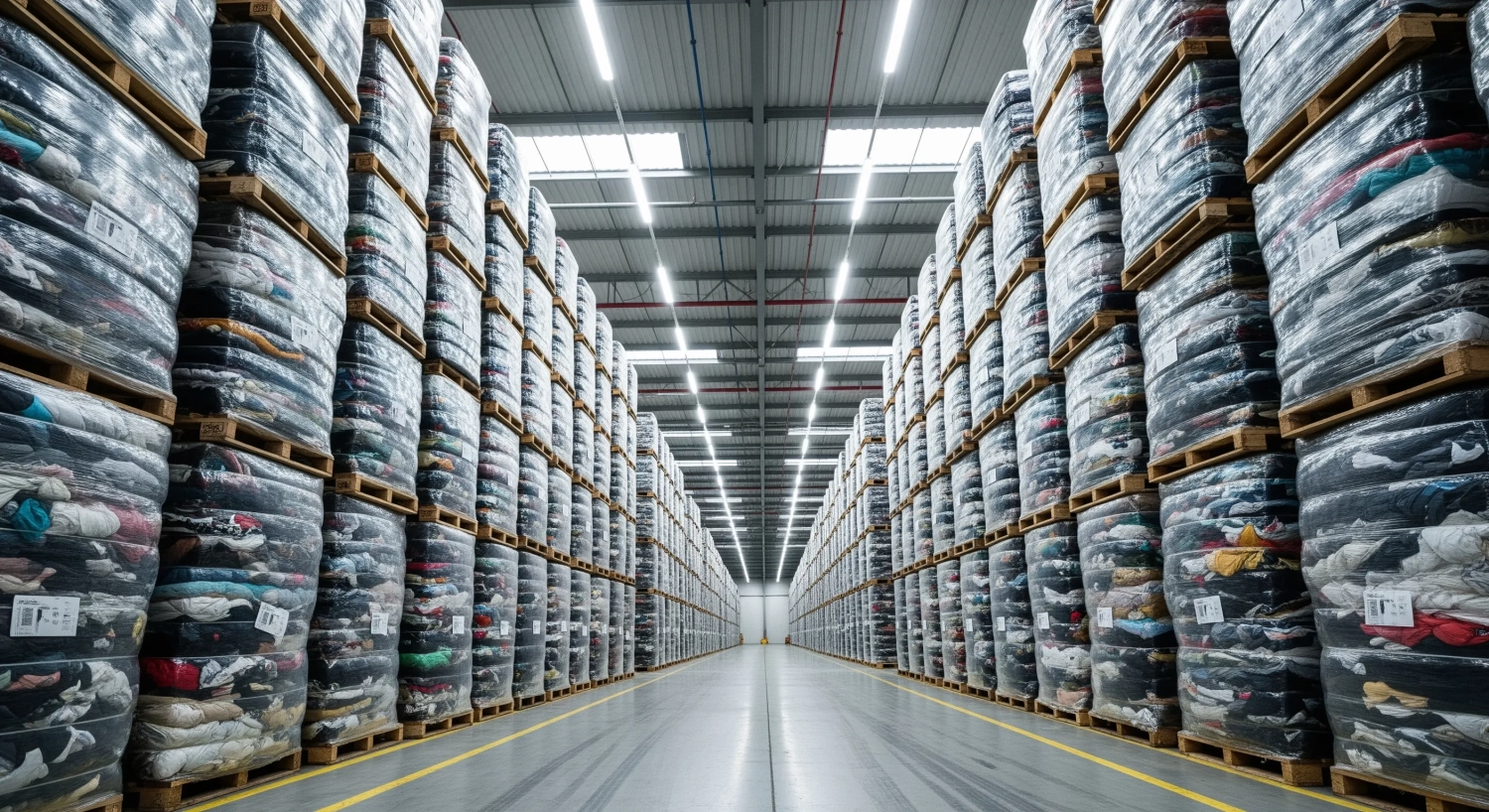
Finding affordable wholesale options for used clothing is essential for businesses in the B2B sector. Whether you are a wholesaler, reseller, or store owner, sourcing cheap used clothes wholesale can considerably enhance your inventory while maximizing profits. The UK offers a wide range of suppliers specializing in second-hand clothing that cater to the unique needs of trade buyers. This guide will help you navigate your options for acquiring used clothing at competitive prices to boost your business offering.
Table of Contents
- Understanding the Wholesale Market
- Recognizing Quality Suppliers
- Where to Find Affordable Used Clothes
- Best Practices in Sourcing
- Risk Management in Wholesale Purchases
- Evaluating Your Options
Key Takeaways
| Aspects | Details |
|---|---|
| Minimum Order Quantity (MOQ) | Negotiate for optimal MOQ suitable for your business size. |
| Grading Standards | Ensure clarity on the grading of clothing for quality assurance. |
| Logistics | Consider shipping options and logistics to minimize costs. |
| Margins | Assess profit margins to maintain a sustainable business. |
Understanding the Wholesale Market
The wholesale market for used clothing in the UK is a vibrant arena, reflecting evolving consumer demands and sustainability trends. As a trade buyer, understanding market dynamics is crucial for profitability. Factors such as sourcing practices, competition, and pricing strategies will influence your purchasing decisions.
Many suppliers will offer various types of second-hand clothing—ranging from vintage to branded items—allowing you to select products that align with your target demographic. By understanding the wholesale landscape, you can choose suppliers that not only offer competitive prices but also maintain quality standards.
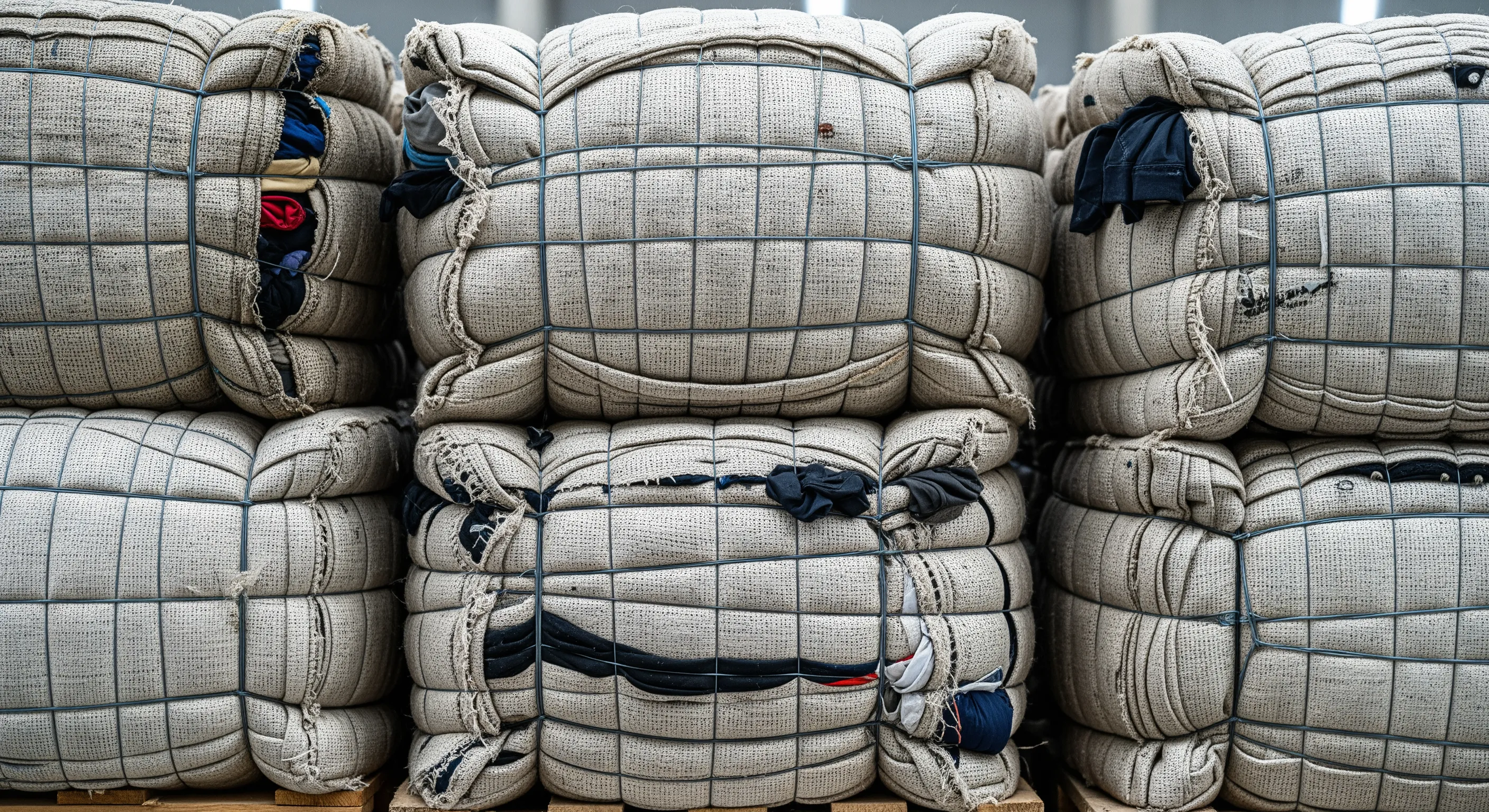
Pro tip: Regularly research market trends to stay ahead of potential shifts in consumer preferences.
Recognizing Quality Suppliers
When looking for cheap used clothes wholesale, identifying quality suppliers is paramount. Opt for those with established reputations and reliable sourcing practices. Feedback from other trade buyers can provide insights into a supplier's reliability and service quality.
Moreover, practical factors like payment terms, shipping options, and return policies should also be evaluated. Select suppliers who use transparent practices and clearly outline their grading standards to ensure that you trade in quality second-hand clothing.
Pro tip: Create a checklist of essential supplier traits, including customer support, to streamline your evaluation process.
Where to Find Affordable Used Clothes
Being strategic in your search can yield significant savings. Consider exploring auction houses, liquidation sales, and direct wholesale suppliers. Many online platforms also aggregate listings from various suppliers, aiding in finding the best deals.
For instance, checking websites like the UK government’s guidance on trade practices can provide valuable insights. Utilizing local networks, trade shows, and industry events can further enhance your sourcing strategies, facilitating connections with potential suppliers.
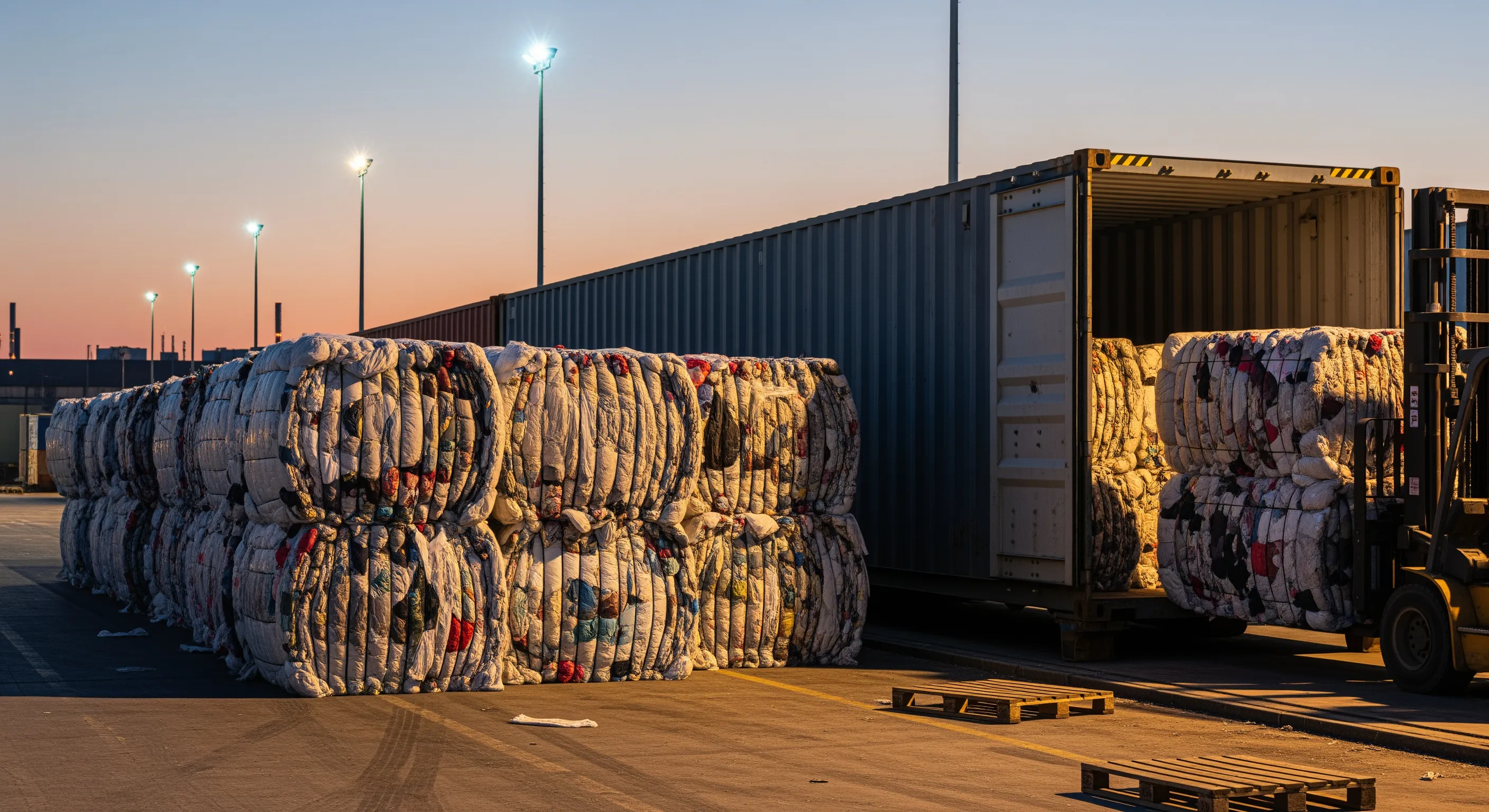
Pro tip: Leverage trade fairs and exhibitions to discover new suppliers and negotiate bulk deals effectively.
Best Practices in Sourcing
Sourcing cheap used clothes requires a strategic approach. First, establish long-term relationships with your suppliers, which can lead to preferential pricing and better service. Regular communication will also ensure that you stay informed about new offers and trends.
In addition, implementing systematic inventory management practices can help mitigate risks associated with bulk purchasing. Knowing what sells and seasonal trends can guide your purchasing decisions.)
Pro tip: Develop a forecast system to align your purchasing strategy with market demands.
Risk Management in Wholesale Purchases
When venturing into bulk buying, it’s crucial to understand the risks involved, such as quality inconsistencies and delays in shipping. Establishing clear quality control processes and logistics plans can reduce these risks.
Consider obtaining samples before committing to larger orders, allowing for proper assessment of the clothing quality. Trusted suppliers typically encourage this practice to build confidence in their product offerings.
| Risk | Cause | Mitigation |
|---|---|---|
| Quality Issues | Inconsistent grading or supplier practices | Implement strict quality control measures in purchasing |
| Logistics Delays | Transport issues or supplier inefficiencies | Establish clear logistics plans and timelines |
| Market Fluctuations | Changes in demand and consumer preferences | Regularly review inventory and adapt to new trends |
| Financial Loss | Poor purchasing decisions and margins | Conduct thorough market analysis before purchases |
Pro tip: Always have a contingency plan for unexpected circumstances in bulk buying.
Evaluating Your Options
After identifying potential suppliers and sourcing channels, it’s time to evaluate your options strategically. Assessing each supplier's offerings in terms of price, quality, and reliability helps identify the best fit for your business needs.
Utilizing trade feedback and aligning choices with your company’s long-term goals will enhance your wholesale purchasing strategy. Always keep an eye on emerging suppliers and market disruptions to adapt promptly.
Pro tip: Set regular review periods to reassess supplier performance and market conditions.
Unlock Cost Savings and Inventory Variety with Trusted UK Bulk Clothing Sourcing

For trade buyers who need consistent bulk supply and clear grading expectations, explore UKClothingLTD at ukclothingltd.com. If you’d like a quick recommendation on the best fit for your business model, volumes, and export requirements, contact the team here: https://ukclothingltd.com/contact.
Frequently Asked Questions
What is the MOQ for used clothes wholesale?
The Minimum Order Quantity varies by supplier, typically depending on your business needs.
Are second-hand clothes graded?
Yes, reputable suppliers grade second-hand clothes to ensure quality standards.
How can I reduce the risks associated with bulk buying?
Implement strict quality control measures and establish clear logistics plans.
What types of used clothes are available?
Options range from vintage items to branded clothing suitable for various businesses.