In the competitive landscape of B2B wholesale clothing, effective used clothes sorting can significantly impact your resale margins. As a wholesale buyer, understanding the nuances of sorting and grading can help you make informed sourcing decisions that enhance profitability. This article delves into the strategies for optimizing used clothes sorting, ensuring you get the best value from your investments. By mastering these techniques, you can navigate the complexities of bale grades, container logistics, and minimum order quantities (MOQs) while maximizing your profit margins.
Table of Contents
- Understanding Bale Grades
- The Importance of Sorting
- Optimizing Sourcing Strategies
- Container Logistics for Wholesalers
- Maximizing Profit Margins
- Compliance and Regulations
Understanding Bale Grades
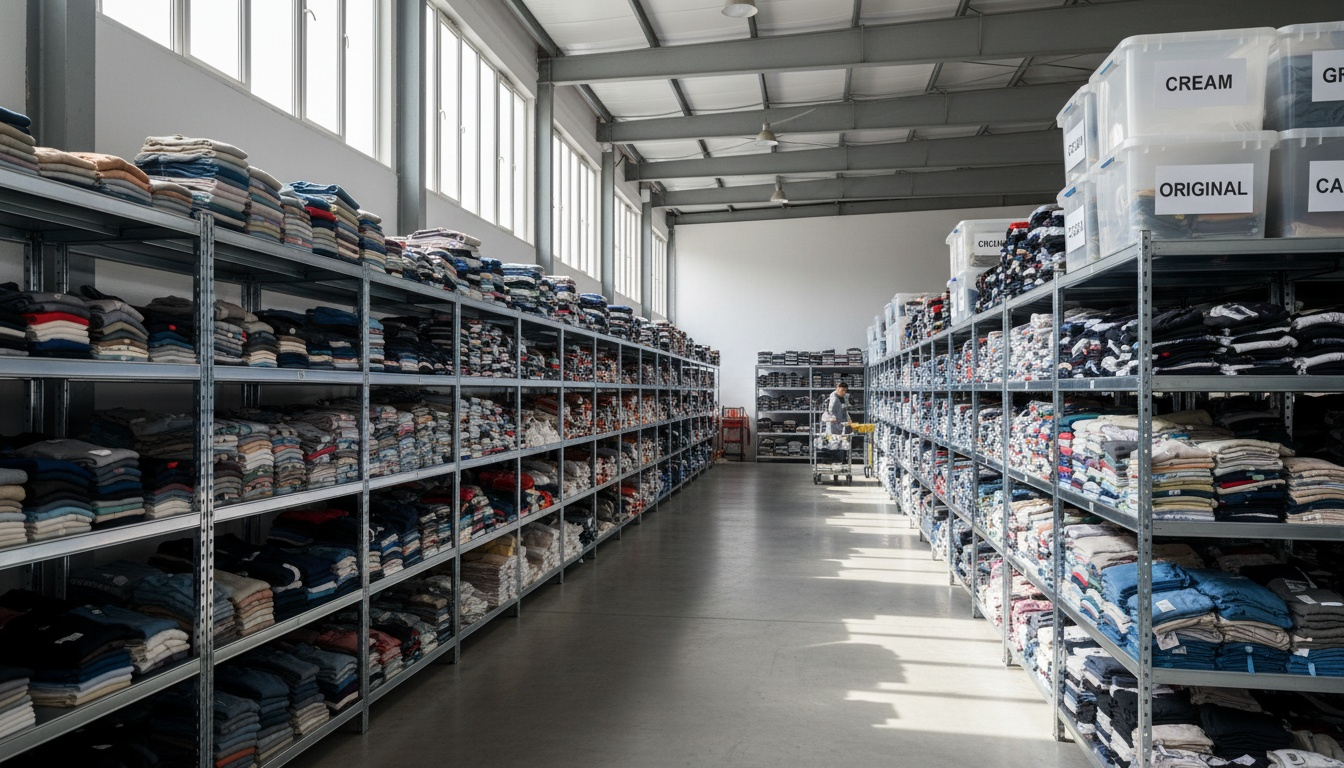
When it comes to used clothes sorting, knowing the different bale grades is fundamental. The primary categories include Cream, Grade A, Original, and Cash mix. Each grade has distinct characteristics and potential resale values. Cream grade items are the highest quality, typically featuring premium brands and excellent condition, making them ideal for resellers looking to maximize profits. Grade A items are still in good condition but may include a few minor flaws. Original grade items consist of second-hand clothing that is still marketable but may require some repair or cleaning.
Cash mix bales often contain a mix of various grades, offering a cost-effective option for wholesalers who are willing to sift through the items for potential value. Understanding these grades allows you to tailor your purchasing decisions based on market demand and your specific clientele's needs. For more detailed insights into the differences between these grades, consider exploring our article on key differences between cream, Grade A, and original categories.
Pro tip: Always request samples or detailed descriptions of the grades before purchasing to ensure you understand what to expect in your bales.
The Importance of Sorting
Sorting plays a crucial role in maximizing resale potential. A well-organized sorting process can help you identify high-value items quickly while minimizing the time spent on lower-quality goods. By implementing efficient sorting techniques, you can categorize items based on their condition, style, and potential resale market. This approach not only enhances your operational efficiency but also ensures that you can meet the specific demands of your buyers.
Moreover, having a systematic sorting process allows you to maintain a consistent quality across your inventory. Consistency in quality is vital for building trust with your wholesale buyers, as they rely on you for dependable supplies. Investing in a dedicated sorting facility, like the one we operate in Brentwood, Essex, can further streamline your operations. For insights on how we ensure consistent quality in every bale, check our blog on guaranteeing quality.
Buyer's note: Consider using technology to assist in the sorting process, such as inventory management systems, which can help track item conditions and streamline your workflow.
Optimizing Sourcing Strategies
To enhance your margins, optimizing your sourcing strategies is essential. Establishing relationships with reliable suppliers who offer a variety of bale grades can provide you with the flexibility to adapt to changing market demands. Additionally, consider the geographical location of your suppliers; sourcing closer to your facility can reduce shipping costs and lead times, ultimately impacting your profitability.
Another critical aspect to consider is the minimum order quantities (MOQs). Understanding the MOQs imposed by suppliers can help you balance your inventory levels and avoid overstocking or stockouts. By strategically planning your orders based on your sales forecasts, you can ensure that you always have the right products in stock without tying up unnecessary capital.
Industry insight: Regularly review market trends to adjust your sourcing strategies accordingly. Keeping an eye on popular categories can give you a competitive edge in the wholesale market.
Container Logistics for Wholesalers
Container logistics is a vital component of your wholesale operation, particularly when dealing with large quantities of used clothes. Understanding how to optimize container loads can lead to significant savings in shipping costs. For instance, purchasing full container loads (20ft/40ft) can often provide better rates compared to smaller shipments. This approach not only reduces transportation costs but also ensures you have a steady supply of inventory.
Additionally, it’s crucial to familiarize yourself with the essential shipping documents required for international shipments. Correctly managing documentation can prevent delays and ensure compliance with regulations, which is especially important when importing goods. For a comprehensive guide on the necessary shipping documents, visit our blog on essential shipping documents.
Quick win: Plan your container loads meticulously by considering both weight and category to maximize your shipping efficiency and cost-effectiveness.
Maximizing Profit Margins
Maximizing your profit margins requires a keen understanding of the resale market and adjusting your pricing strategy accordingly. Knowing which bale grades yield the highest returns can guide your purchasing decisions. For instance, focusing on Cream and Grade A items often results in better margins due to their desirability among resellers.
Moreover, consider diversifying your product offerings. Incorporating categories such as bric-a-brac and toys into your inventory can attract a broader customer base and enhance your margin potential. For insights on how our bric-a-brac category performs compared to traditional clothing lots, refer to our blog on bric-a-brac performance.
Watch out: Be cautious of seasonal trends and adjust your inventory according to peak selling periods to ensure maximum sales opportunities.
Compliance and Regulations
As a wholesale buyer, staying compliant with regulations related to second-hand clothing is essential. Various laws govern the resale of used clothing, including health and safety standards. Ensure that your sorting facility adheres to these regulations to mitigate potential risks associated with non-compliance.
Furthermore, being aware of the specific compliance requirements in your target markets is crucial. Different countries may have varying import regulations for used goods, which can affect your sourcing strategies. Conducting thorough research and possibly consulting with legal experts can help you navigate these complexities effectively.
Worth knowing: Regularly review compliance guidelines to ensure your operations align with current laws and regulations, protecting your business from potential liabilities.
Frequently Asked Questions
What are the key bale grades in used clothes sorting?
The key bale grades include Cream, Grade A, Original, and Cash mix, each with varying quality and resale potential.
How can I optimize my used clothes sorting process?
Implement efficient sorting techniques, categorize items based on condition and style, and maintain a systematic approach to ensure quality and quick identification of high-value items.
What should I consider when sourcing used clothes?
Establish relationships with reliable suppliers, understand MOQs, and consider geographical proximity to reduce shipping costs and lead times.
What are the compliance requirements for reselling used clothing?
Stay informed about health and safety standards, and research specific regulations in your target markets to ensure compliance when reselling used goods.