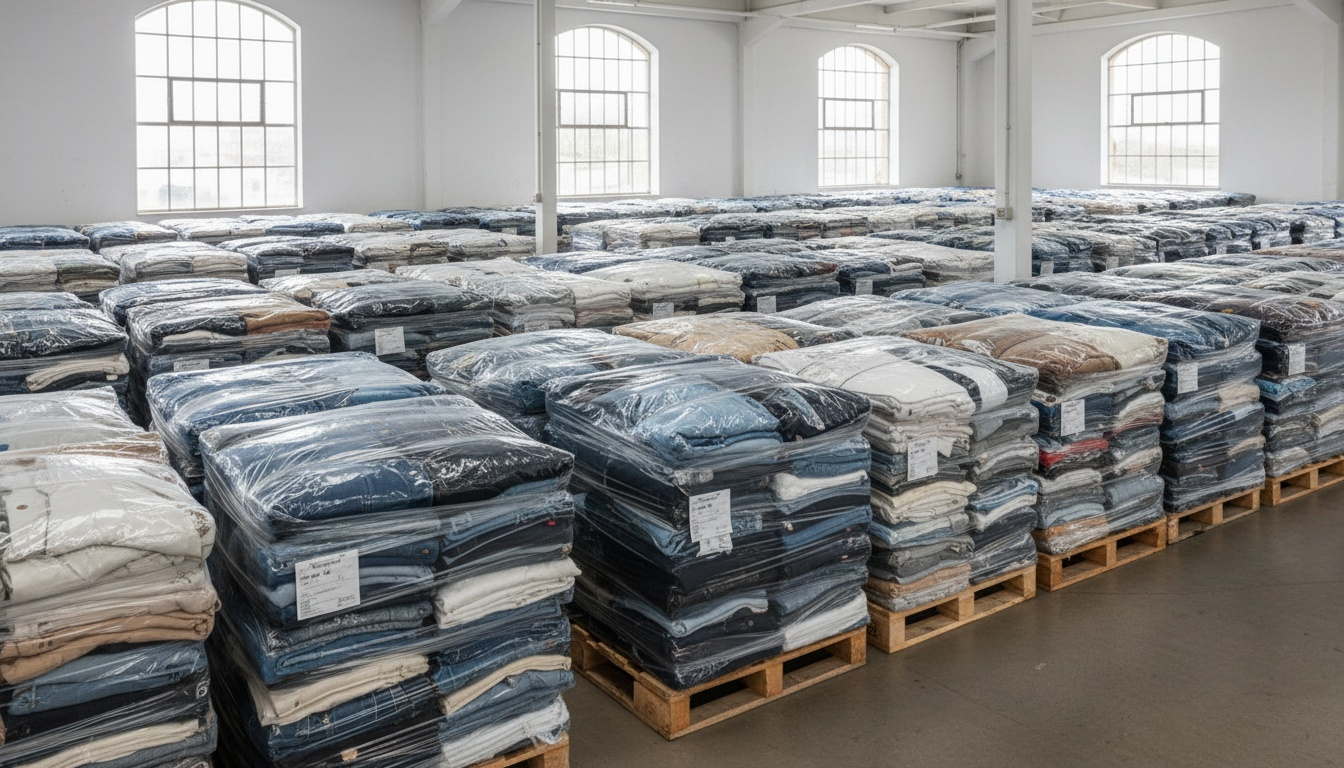
As a wholesale buyer, navigating the landscape of second hand clothing wholesalers can significantly impact your profitability. By sourcing high-quality second-hand clothing bales, you not only cater to market demand but also enhance your margins. Understanding the different bale grades, minimum order quantities (MOQs), and logistics involved in container loads is crucial for making informed purchasing decisions. This article will provide you with the insights needed to maximize your profits while partnering with a reliable supplier.
Table of Contents
- Understanding Bale Grades
- Developing a Sourcing Strategy
- Container Logistics and Costs
- Minimum Order Quantities (MOQs)
- Analyzing Market Demand
- Maximizing Resale Profit
Understanding Bale Grades
When sourcing from second hand clothing wholesalers, it's essential to familiarize yourself with the various bale grades available. Typically, these grades include Cream, Grade A, Original, and Cash Mix. Each category offers distinct quality levels and potential resale value. Cream and Grade A bales consist of high-quality items that are in excellent condition, while Original bales include a mix of popular brands and styles but can vary in quality. Cash Mix bales, on the other hand, are more varied and often feature items that may require additional sorting or repairs.
Understanding these grades not only helps you select the right products for your target market but also aids in assessing the potential profit margins. For instance, Cream-grade bales can command higher prices due to their premium quality, making them ideal for upscale resale environments. In contrast, Original and Cash Mix bales may offer opportunities for cost-effective sourcing, allowing you to compete on price while still providing value to your customers.
Pro tip: Always request samples of different bale grades before committing to a large order to evaluate the quality firsthand.
Developing a Sourcing Strategy
A well-defined sourcing strategy is crucial for any wholesale buyer looking to partner with second hand clothing wholesalers. Start by assessing the types of clothing, shoes, or bric-a-brac that are in demand within your target market. This analysis helps you identify which bale grades will yield the highest resale potential. Understanding seasonal trends and local preferences can also inform your purchasing decisions, ensuring you stock items that will sell quickly.
Additionally, establishing relationships with reliable suppliers is vital. UK Clothing Ltd, for example, has built a reputation since 2012 for providing high-quality sorted and unsorted second-hand clothing. Engaging in ongoing communication with suppliers can lead to better deals, insights into upcoming trends, and access to exclusive products. Regularly reviewing your sourcing strategy based on market trends ensures that your inventory remains relevant and appealing to your customers.
Buyer's note: Participate in industry trade shows and networking events to discover new suppliers and enhance your sourcing strategy.
Container Logistics and Costs
Understanding container logistics is an essential aspect of working with second hand clothing wholesalers. When purchasing in bulk, especially full container loads of 20ft or 40ft, it's important to consider shipping costs, customs clearance, and delivery times. Efficient logistics management can significantly impact your overall profitability.
Shipping costs vary based on the weight and volume of the bales, so it's crucial to understand container pricing based on category and weight. By planning your orders to maximize container space, you can reduce per-unit shipping costs. Additionally, working with a wholesaler that offers container-ready bales can save you time and streamline the shipping process, allowing for a more efficient supply chain.
Industry insight: Always factor in potential duty fees and customs regulations when budgeting for your imports to avoid unexpected expenses.
Minimum Order Quantities (MOQs)
Minimum Order Quantities (MOQs) are a key consideration when dealing with second hand clothing wholesalers. Most suppliers set MOQs to ensure that their business remains viable while providing the best possible prices. Understanding the MOQs of your preferred suppliers will help you assess your cash flow and inventory management strategies.
Choosing a wholesaler with flexible MOQs can greatly benefit smaller businesses or those just starting in the resale market. UK Clothing Ltd, for instance, accommodates a range of MOQs that cater to various business sizes, allowing for growth without the burden of excess inventory. This flexibility can enable you to test different products and adapt your offerings based on sales performance.
Quick win: Always clarify MOQs with your supplier before placing an order to avoid potential delays or misunderstandings.
Analyzing Market Demand
Recognizing market demand is fundamental in the wholesale clothing sector. Understanding consumer preferences, seasonal trends, and economic factors will help you make informed decisions about your inventory. Monitoring social media trends, fashion blogs, and local consumer behavior can provide valuable insights into what types of second-hand clothing are likely to sell well.
In recent years, the demand for sustainable products has increased, making second-hand clothing an attractive option for many buyers. By offering a diverse range of products that align with this demand, you can position your business favorably in the market. Regularly analyzing sales data and customer feedback can further refine your understanding of market trends, allowing you to adjust your inventory accordingly.
Watch out: Be cautious of overstocking items that may not align with current market demand, as this can lead to increased holding costs.
Maximizing Resale Profit
To maximize resale profit, it is essential to establish a clear pricing strategy based on your sourcing costs, market demand, and competition. Understanding the margins associated with different bale grades will aid in setting competitive prices while ensuring profitability. For instance, items sourced from Cream-grade bales typically yield higher margins than those from Cash Mix bales due to their better quality.
Additionally, consider diversifying your product offerings to include complementary items such as shoes or bric-a-brac. This approach can enhance the overall shopping experience for your customers and increase average transaction values. Furthermore, effective marketing strategies that highlight the unique aspects of your second-hand inventory can attract more buyers and drive sales.
Worth knowing: Implementing loyalty programs and promotional offers can encourage repeat business, ultimately boosting your overall profitability.
Frequently Asked Questions
What are the benefits of sourcing from second hand clothing wholesalers?
Sourcing from second hand clothing wholesalers can provide significant cost savings, access to a diverse range of products, and the ability to cater to a growing demand for sustainable fashion.
How do I determine the best bale grade for my business?
Assess your target market's preferences and analyze potential profit margins associated with each bale grade to determine the best fit for your business.
What should I consider when calculating shipping costs?
Factor in weight, volume, customs fees, and delivery times when calculating shipping costs to ensure accurate budgeting for your imports.
How can I stay informed about market trends in second hand clothing?
Monitor social media, subscribe to industry publications, and participate in trade shows to stay updated on market trends and consumer preferences.