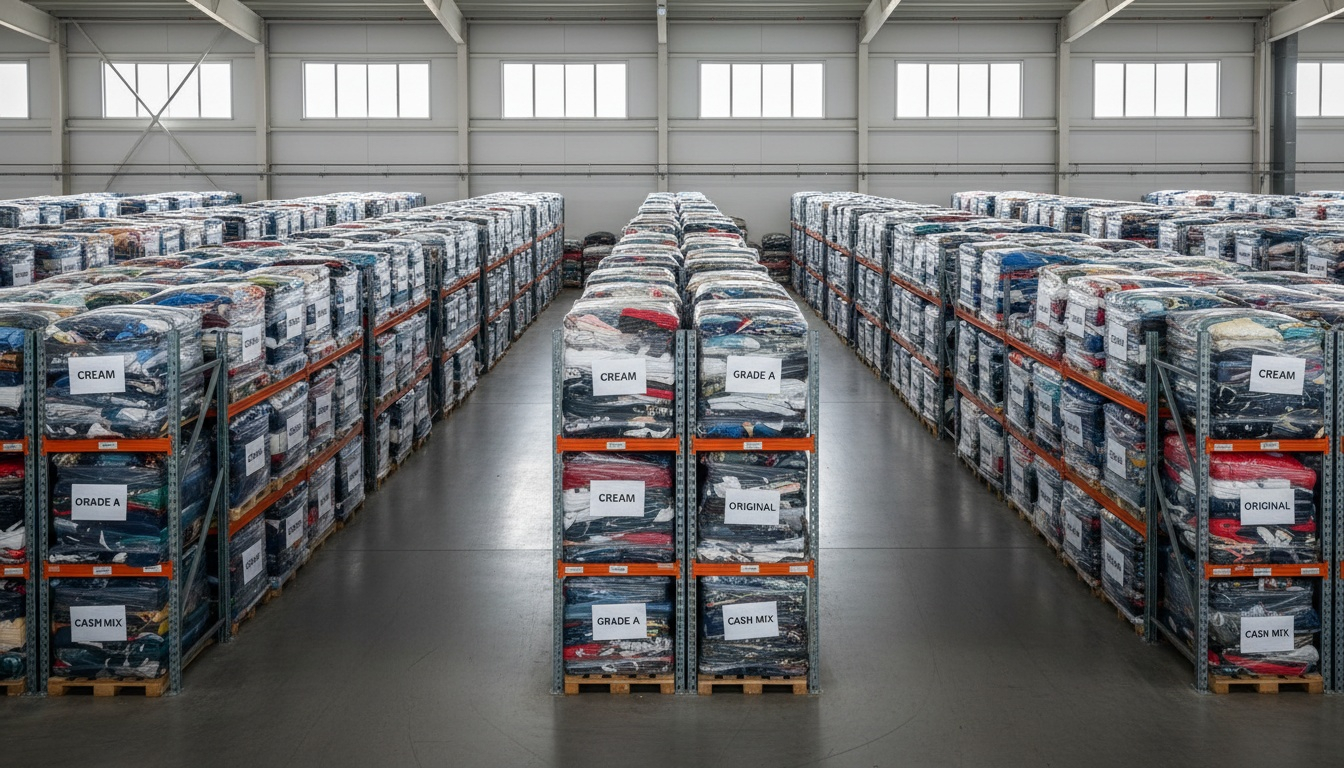
In the competitive landscape of B2B wholesale, sourcing second hand clothes can present a lucrative opportunity for resellers and store owners. By leveraging the right sourcing strategies and understanding the various bale grades available, wholesale buyers can maximize their profit margins. This article delves into the essentials of second hand clothes wholesale, providing insights on how to navigate this dynamic market effectively while ensuring compliance and meeting minimum order quantities (MOQs).
Table of Contents
- Understanding Market Demand for Second Hand Clothes
- The Importance of Bale Grades
- Effective Sourcing Strategies
- Logistics and Container Loads
- Maximizing Resale Margins
- Compliance and Quality Assurance
Understanding Market Demand for Second Hand Clothes
The global trade of second hand clothing has seen a substantial rise, with a market value projected to exceed $4.9 billion by 2024. This growth is driven by increasing consumer awareness of sustainability and the rising demand for affordable clothing. As a wholesale buyer, understanding these trends is crucial for making informed purchasing decisions. The UK, with its rich pool of donated clothing, has become a significant player in the second-hand clothing market, exporting millions of items annually.
Wholesale buyers should keep an eye on emerging trends within specific demographics and regions, as preferences can vary widely. For instance, younger consumers are leaning towards vintage and unique styles, whereas older demographics may prioritize classic designs. Additionally, international markets can exhibit differing levels of demand based on local economic conditions and cultural trends, making it essential to tailor your sourcing strategies accordingly. By tapping into these insights, buyers can better anticipate market shifts and adjust their inventory strategies to align with consumer preferences.
Pro tip: Regularly conduct market research to identify potential opportunities and adjust your purchasing strategy to meet evolving consumer demands.
The Importance of Bale Grades
Cream grade items are often the highest quality, comprising premium brands and styles that can command higher resale prices. Grade A garments, while slightly less premium, still offer strong resale potential. Original and Cash mix categories typically consist of mixed items, which can be a cost-effective option for buyers looking to diversify their inventory without a significant upfront investment. Understanding these distinctions can help wholesale buyers make more informed purchasing decisions, ensuring they align their inventory with their target market’s needs.
Buyer's note: Always request samples or visit sorting facilities to assess the quality of bale grades before committing to bulk purchases.
Effective Sourcing Strategies
Adopting the right sourcing strategies is key to thriving in the second hand clothes wholesale market. Establishing strong relationships with reliable suppliers, such as UK Clothing Ltd, can provide a steady flow of quality inventory. Additionally, consider diversifying your sourcing channels to include both local and international suppliers. This approach not only mitigates risks but also allows access to unique items that can differentiate your offerings.
Another effective strategy involves leveraging technology for inventory management and market analysis. Tools that track sales trends and inventory levels can provide valuable insights, enabling you to make data-driven decisions that optimize your stock levels and reduce excess inventory. Furthermore, participating in wholesale trade shows can expose you to potential suppliers and industry trends, allowing for more informed purchasing choices.
Industry insight: Establishing a diverse supplier base can enhance your resilience against market fluctuations and supply chain disruptions.
Logistics and Container Loads
Understanding the logistics of importing second hand clothes is essential for wholesale buyers. When purchasing in bulk, such as full container loads (20ft/40ft), it's crucial to factor in shipping costs, customs duties, and other logistical considerations. Efficient logistics planning can significantly impact your overall margins, making it vital to partner with experienced suppliers who can guide you through the import process.
Moreover, being aware of the necessary documentation for importing second hand goods can streamline your operations. Essential documents typically include commercial invoices, packing lists, and customs declarations. Familiarizing yourself with these requirements can help prevent delays and additional costs, ensuring a smooth import process.
Quick win: Engage with a logistics partner who specializes in the importation of second hand goods to navigate complex regulations and optimize shipping costs.
Maximizing Resale Margins
To maximize resale margins, wholesale buyers must be strategic in their pricing and inventory management. Understanding the costs associated with sourcing, shipping, and storage will help you set competitive prices while maintaining healthy profit margins. Additionally, consider focusing on high-margin categories within the second hand clothing market. Items like branded clothing, designer pieces, and unique vintage finds often yield higher profit margins compared to standard garments.
Implementing effective marketing strategies to promote your offerings can also enhance sales. Utilize social media, online marketplaces, and local advertising to reach your target audience effectively. Positioning your inventory as sustainable and affordable can resonate with consumers looking to make environmentally conscious purchases.
Watch out: Regularly review your pricing strategy to ensure it remains competitive and reflective of market trends.
Compliance and Quality Assurance
Maintaining compliance with regulations surrounding second hand clothing is vital for wholesale buyers. This includes understanding import regulations, quality control standards, and environmental guidelines. Ensuring that your products meet legal requirements not only protects your business but also enhances your reputation among buyers.
Additionally, implementing a quality assurance process can help maintain consistent product quality across your inventory. Regular inspections of incoming goods and feedback loops with suppliers can identify potential issues early, allowing for prompt resolutions. Establishing clear quality standards and communicating them with your suppliers can enhance your overall sourcing strategy.
Worth knowing: Compliance not only safeguards your business but can also improve customer trust and loyalty.
Frequently Asked Questions
What are the benefits of sourcing second hand clothes wholesale?
Sourcing second hand clothes wholesale allows buyers to access a diverse range of products at lower costs, which can enhance profit margins and meet market demand for affordable and sustainable clothing.
How do I determine the right bale grade for my business?
Evaluating your target market and understanding the resale potential of different bale grades will help determine the most suitable option for your business needs.
What logistics considerations should I keep in mind when importing second hand clothing?
Key logistics considerations include shipping costs, necessary import documentation, and the reliability of your chosen logistics provider.
How can I ensure compliance with regulations when purchasing second hand clothing?
Stay informed about import regulations and quality standards, and work with reputable suppliers who prioritize compliance in their operations.