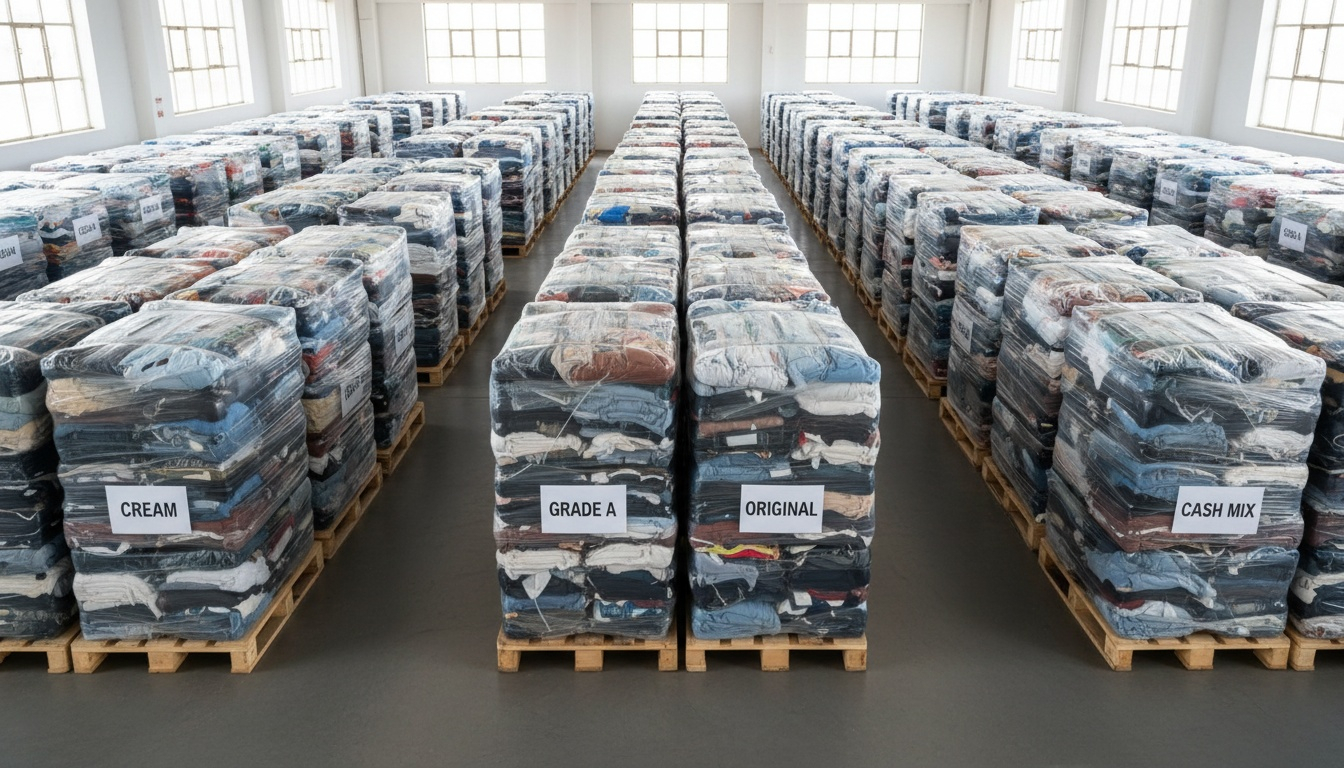
In today's competitive retail landscape, sourcing second hand clothes for wholesale can significantly enhance your profit margins. As a B2B buyer, understanding the nuances of bale grades, minimum order quantities (MOQs), and market demand is crucial for maximizing your investment. This guide will provide insights into effective sourcing strategies, the benefits of different bale grades, and how to navigate container logistics to ensure a successful wholesale operation.
Table of Contents
- Understanding Bale Grades
- Minimum Order Quantities (MOQs)
- Effective Sourcing Strategies
- Container Logistics for Wholesale
- Understanding Market Demand
- Boosting Profit Margins
Understanding Bale Grades
When sourcing second hand clothes for wholesale, it is essential to understand the different bale grades available. These grades typically include Cream, Grade A, Original, and Cash Mix. Each grade represents a different quality and price point, allowing buyers to choose based on their specific resale strategies and target markets. Cream grade bales, for instance, contain the highest quality items, often featuring branded and designer pieces. These are ideal for high-end retailers looking to offer premium second-hand options.
Grade A bales, while slightly lower in quality, still offer a considerable return on investment, as they contain gently used clothing that appeals to a broad audience. Original bales consist of a mixed variety of items, suitable for resellers seeking to provide a diverse inventory. The Cash Mix bales, often a blend of various grades, are ideal for those focusing on volume sales rather than premium offerings. Understanding these distinctions is vital to align your purchasing decisions with your business model and customer preferences. Pro tip: Always request a sample before committing to a bulk purchase to assess the quality firsthand.
Minimum Order Quantities (MOQs)
Minimum order quantities (MOQs) are a critical consideration when sourcing second hand clothes for wholesale. Different suppliers set varying MOQs based on their operational capacities and product demand. Understanding these requirements can help you strategize your purchasing decisions more effectively. For instance, if your business has limited storage space or capital, you might want to look for suppliers that offer flexible MOQs, allowing you to test different bale grades without overcommitting.
Additionally, consider how MOQs impact your cash flow and inventory management. Bulk purchasing can lead to lower per-unit costs, but it's essential to balance this against your ability to sell the products efficiently. If a supplier offers container loads, such as 20ft or 40ft options, weigh the benefits of the lower prices against the potential for overstock. A well-planned ordering strategy can ensure you maintain healthy margins while minimizing risk. Buyer's note: Always factor in shipping and handling costs when evaluating the total investment for your MOQs.
Effective Sourcing Strategies
Developing effective sourcing strategies for second hand clothes is crucial for wholesalers aiming to maximize profits. One approach is to establish long-term relationships with reliable suppliers, such as UK Clothing Ltd, who specialize in sorted and unsorted second-hand clothing. Building rapport with your suppliers can lead to better prices, priority access to new inventory, and insights into upcoming trends.
Another strategy involves diversifying your sources. Relying on multiple suppliers can reduce risk and provide a broader selection of products. Consider attending trade shows or industry events to discover new suppliers and establish connections. Online platforms can also be valuable for sourcing second-hand clothing, as they often have a wide range of options available. Finally, keep an eye on market trends and customer preferences, adjusting your sourcing strategy accordingly to stay competitive. Industry insight: Regularly review your sales data to identify which grades and categories yield the highest return on investment.
Container Logistics for Wholesale
Understanding container logistics is fundamental when sourcing second hand clothes for wholesale. When purchasing in bulk, you'll need to consider how to efficiently manage shipping and handling to minimize costs. For instance, opting for full container loads can significantly reduce per-unit shipping costs, making it an attractive choice for wholesalers aiming to maximize profitability.
It's also essential to familiarize yourself with essential shipping documents and compliance regulations for importing goods into the UK. Ensuring you have all necessary paperwork in order will streamline the import process and help avoid delays. Furthermore, working with logistics partners who understand the nuances of second-hand clothing can provide additional support, from customs clearance to last-mile delivery. Quick win: Invest in a logistics management system to track your shipments from the supplier to your warehouse, ensuring transparency and efficiency throughout the process.
Understanding Market Demand
To successfully sell second hand clothes for wholesale, understanding market demand is crucial. The UK second-hand clothing market has seen substantial growth, driven by increasing consumer awareness of sustainability and the cost-effectiveness of second-hand goods. This trend presents a significant opportunity for wholesalers, as more retailers are looking to diversify their inventory with second-hand options.
Conducting market research can yield valuable insights into current trends and consumer preferences. Engaging with your customer base through surveys or feedback can also provide direct insights into what types of clothing are in demand. Being proactive in your approach to understanding market dynamics will position you to respond effectively and capture emerging opportunities. Watch out: Stay informed about seasonal trends, as they can heavily influence demand for specific clothing categories.
Boosting Profit Margins
Maximizing profit margins when dealing with second hand clothes for wholesale requires a strategic approach. By carefully selecting the right bale grades and managing your inventory effectively, you can ensure that you maintain a healthy margin on each sale. Consider implementing tiered pricing strategies based on the quality and brand of items within each bale, which can help cater to different segments of your customer base.
Additionally, effective marketing strategies can drive sales and increase demand for your inventory. Highlighting the unique selling points of your second-hand clothing, such as sustainability and cost savings, can attract more buyers. Furthermore, leveraging social media and online platforms can expand your reach and enhance your brand visibility. Ultimately, integrating these strategies will empower you to not only boost profits but also establish a sustainable business model. Worth knowing: Regularly review your pricing strategy and adjust based on competitive analysis and market fluctuations.
Frequently Asked Questions
What are the benefits of sourcing second hand clothes for wholesale?
Sourcing second hand clothes for wholesale allows businesses to tap into the growing market for sustainable fashion, offering unique products at competitive prices, which can lead to higher profit margins.
How do I choose the right bale grade for my business?
Choosing the right bale grade depends on your target market and resale strategy. Consider factors such as quality, brand appeal, and price points when selecting bale grades that align with your business goals.
What are the typical minimum order quantities for second hand clothes?
Minimum order quantities can vary by supplier. It's essential to check with each supplier to understand their specific MOQs and find options that fit your business's needs.
How can I ensure I am compliant with import regulations for second hand clothing?
Familiarize yourself with UK import regulations and ensure you have all necessary documentation in place, such as customs declarations and import licenses, to avoid delays and potential fines.