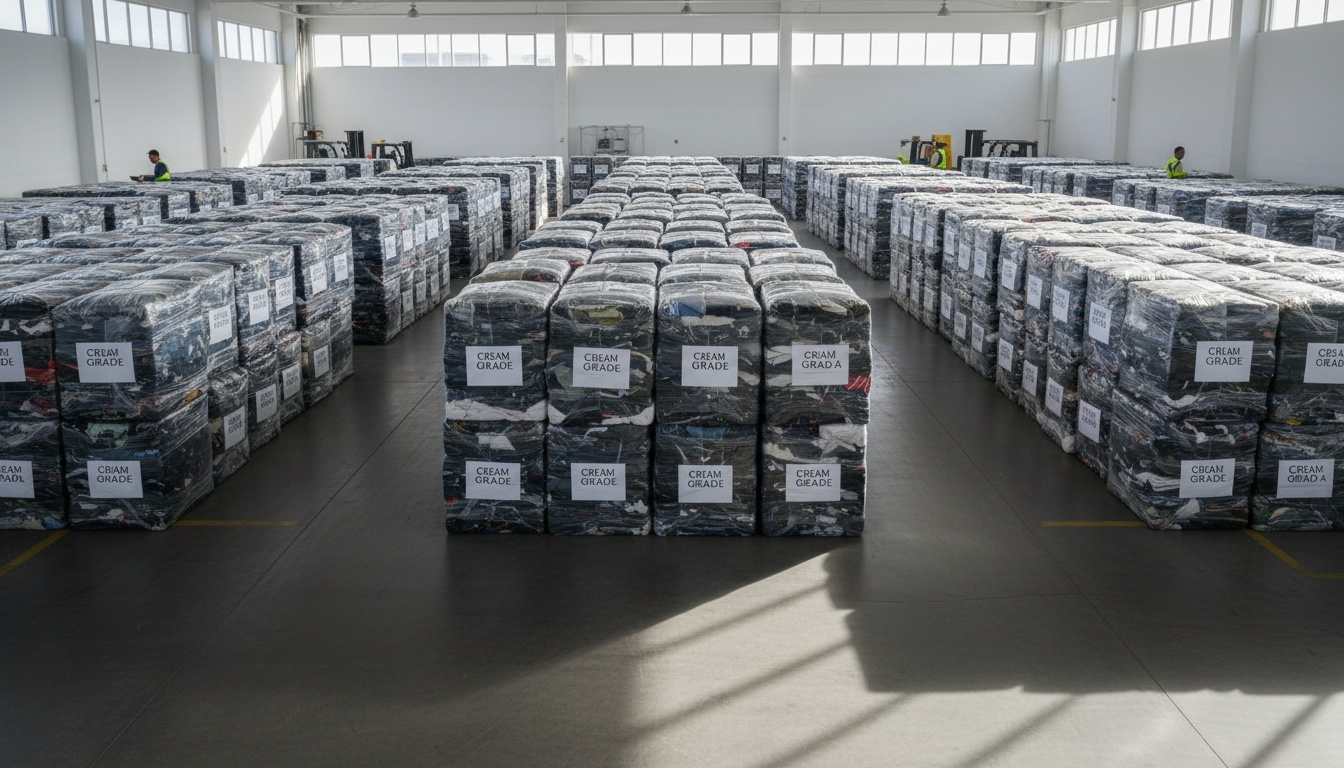
In the competitive landscape of used clothing wholesale, maximizing profit margins is crucial for B2B buyers. Understanding the nuances of bale grades, sourcing strategies, and container logistics can significantly impact your bottom line. This article will provide actionable insights tailored for resellers, store owners, and exporters, focusing on how to enhance profit margins through effective purchasing strategies and market intelligence.
Table of Contents
- Understanding Bale Grades
- Effective Sourcing Strategies
- Container Logistics and Compliance
- Maximizing Profit Margins
- Analyzing Market Demand
- Frequently Asked Questions
Key Takeaways
| Factor | What It Means for Buyers |
|---|---|
| Bale Grades | Understanding the differences between Cream, Grade A, Original, and Cash mix helps in selecting the right products for specific market demands. |
| Sourcing Strategies | Efficient sourcing reduces costs and enhances product quality, making it critical for maintaining competitive pricing. |
| Container Logistics | Effective management of container loads ensures compliance with shipping regulations while optimizing delivery schedules. |
| Profit Margins | Identifying high-margin categories can significantly boost overall profitability for resellers. |
Understanding Bale Grades
In used clothing wholesale, bale grades play an essential role in determining the quality and resale potential of the items you purchase. Typically, these grades are categorized as Cream, Grade A, Original, and Cash mix. Each category has its unique characteristics and price points, influencing your sourcing decisions. For instance, Cream grade items are often in pristine condition and can yield higher resale prices, making them an attractive option for buyers focused on maximizing profit margins. On the other hand, Grade A items offer a good balance between quality and cost, suitable for budget-conscious buyers.
Understanding these distinctions allows wholesale buyers to tailor their orders to meet specific market demands. Additionally, assessing the condition and appeal of items in each grade can help in foreseeing the potential return on investment. As you navigate the purchasing process, consider the competitive landscape and the needs of your target audience to make informed decisions. Pro tip: Always request detailed grading reports from suppliers to ensure the quality of the items you are acquiring.
Effective Sourcing Strategies
Developing a robust sourcing strategy is critical for success in the used clothing wholesale market. Identifying reliable suppliers who can consistently provide quality merchandise is essential. Establishing relationships with multiple sources can mitigate risks associated with supply chain disruptions and ensure you have access to diverse product ranges. Additionally, consider engaging in warehouse visit programs to inspect goods before purchase, allowing you to verify quality firsthand and build trust with your suppliers.
Another effective strategy is staying updated on market trends and consumer preferences. This intelligence helps in anticipating shifts in demand, allowing you to adjust your sourcing accordingly. For example, if specific styles or categories are gaining popularity, securing those items in advance can offer a competitive edge. Being proactive in sourcing can lead to higher sales volumes and better profit margins. Buyer's note: Leverage data analytics to track sales performance and inform your sourcing decisions based on what has historically performed well.
Container Logistics and Compliance
Container logistics is a critical aspect of the used clothing wholesale business, impacting both cost and efficiency. When dealing with container loads, understanding the intricacies of shipping regulations is essential for compliance. This includes ensuring that all necessary documentation is in order, such as customs declarations and shipping manifests. Failure to comply with these requirements can lead to delays and additional costs, which can erode profit margins.
Moreover, optimizing container space is vital for minimizing shipping costs. Properly planning your orders and understanding the weight limits for 20ft and 40ft containers can help you maximize the number of bales you ship per load. This efficiency can significantly reduce the cost per item and improve your overall margins. To further streamline logistics, consider working with freight forwarders who specialize in used clothing to navigate the complexities of international shipping. Industry insight: Utilizing technology for tracking shipments can enhance transparency and improve operational efficiency.
Maximizing Profit Margins
Maximizing profit margins in used clothing wholesale requires a strategic approach to pricing and inventory management. Understanding the cost structure associated with different bale grades allows you to set competitive prices while ensuring profitability. It's essential to conduct market research to gauge the average selling prices for various categories and adjust your pricing strategy accordingly. Additionally, consider diversifying your product offerings by including high-margin categories such as bric-a-brac or toys, which can complement your clothing sales and enhance overall profitability.
Implementing effective inventory management practices can also contribute to better profit margins. Keeping track of stock levels, turnover rates, and seasonal trends can help you make informed purchasing decisions. Regularly reviewing sales performance data will enable you to identify underperforming items, allowing you to make timely adjustments to your inventory. By optimizing both pricing and inventory strategies, you can create a sustainable business model that promotes long-term success. Quick win: Explore bundling products to increase average order values while providing buyers with perceived value.
Analyzing Market Demand
Understanding market demand is crucial for making informed purchasing decisions in the used clothing wholesale sector. The demand for second-hand clothing is influenced by various factors, including economic conditions, environmental awareness, and shifting consumer preferences. For instance, the increasing focus on sustainable fashion has led to a surge in demand for second-hand items, presenting significant opportunities for wholesale buyers. Keeping abreast of these trends enables you to align your sourcing strategies with market needs effectively.
Additionally, analyzing local market conditions can inform your purchasing decisions. Different regions may have varying preferences for styles, sizes, and types of clothing. Tailoring your inventory to meet local demand can enhance your chances of successful sales. Regularly engaging with your customer base to gather feedback can also provide valuable insights into evolving preferences. By staying attuned to market dynamics, you can position your business to capitalize on emerging trends and maximize your resale potential. Watch out: Monitor competitor offerings to ensure your inventory remains appealing and competitive.
Frequently Asked Questions
What are the main bale grades for used clothing?
The main bale grades include Cream, Grade A, Original, and Cash mix, each representing different quality levels and price points.
How can I ensure compliance in container shipping?
Ensure all necessary documentation, such as customs declarations and shipping manifests, is completed accurately to avoid delays and additional costs.
What strategies can help maximize profit margins?
Effective pricing, inventory management, and diversifying product offerings can significantly help optimize profit margins.
How can I analyze market demand for used clothing?
Stay informed about economic trends, customer preferences, and regional market conditions to tailor your inventory accordingly.