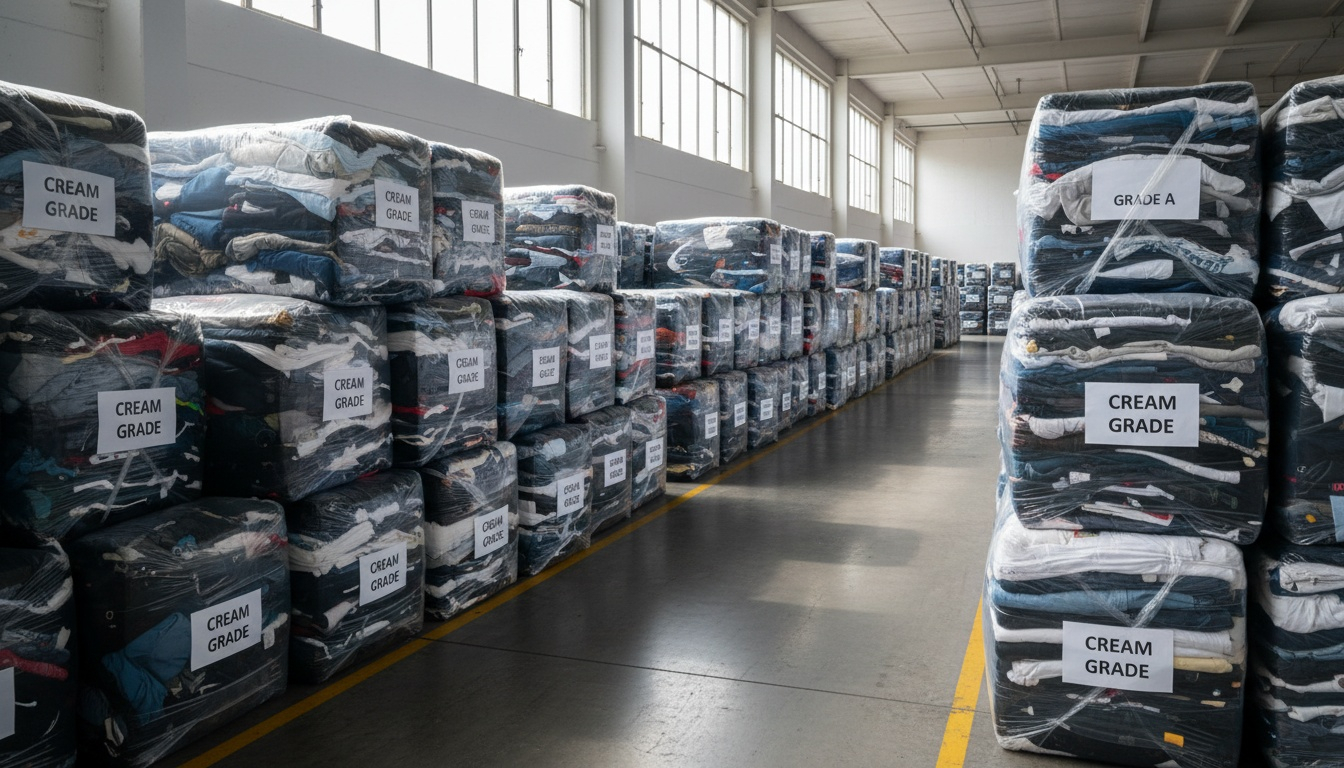
For B2B buyers seeking to maximize their margins, exploring options in second hand clothing wholesale USA offers a strategic avenue. This market is characterized by diverse product grades, container logistics, and sourcing strategies that can significantly influence your profitability. Understanding the nuances of bale grading, minimum order quantities (MOQs), and compliance standards is crucial for successful transactions. In this article, we'll delve into these elements, helping you make informed decisions that enhance your business's bottom line.
Table of Contents
- Understanding Bale Grades
- Sourcing Strategies for Wholesale Buyers
- Container Loads: What You Need to Know
- Minimum Order Quantities (MOQs)
- Compliance Standards in the Wholesale Market
- Maximizing Resale Potential
Understanding Bale Grades
When it comes to second hand clothing wholesale USA, the classification of products into various grades is of paramount importance. Common grades include Cream, Grade A, Original, and Cash Mix. Cream grade typically represents the highest quality items that are almost new, while Grade A includes gently used clothing with minimal signs of wear. Original and Cash Mix often feature a wider variety of items, which can be appealing for certain market segments. Understanding these grades not only helps you select the right products for your inventory but also affects your profit margins.
For wholesalers, being knowledgeable about the differences in grading can lead to more strategic buying decisions. For instance, while Cream grade may command a higher price, the resale potential could yield significant returns. Conversely, Grade A and Original may offer a better volume-to-cost ratio, making them ideal for businesses focused on high turnover. Assessing your target market’s demand will guide which grade suits your business model best. Pro tip: Regularly review market trends to adapt your sourcing strategy based on consumer preferences.
Sourcing Strategies for Wholesale Buyers
Effective sourcing strategies are essential for navigating the second hand clothing wholesale USA market. Establishing relationships with reliable suppliers, such as UK Clothing Ltd, can lead to consistent quality and availability of stock. Diversifying your sources can also mitigate risks associated with supply chain disruptions. Consider attending trade shows or industry events to network with potential suppliers and gain insights into emerging trends in the second-hand market.
Additionally, leveraging online platforms to compare prices and product offerings can enhance your purchasing strategy. It's critical to evaluate suppliers based on their reputation, product quality, and compliance with industry standards. Building a strong vendor relationship not only ensures better pricing but can also lead to exclusive deals on bulk purchases. Buyer's note: Always request samples before committing to large orders to ensure the quality meets your expectations.
Container Loads: What You Need to Know
Ordering second hand clothing in container loads is a common practice among B2B buyers looking to optimize their logistics and improve cost efficiency. Understanding the logistics of container shipping, including the sizes available (20ft and 40ft), is key to making informed purchasing decisions. Buying in bulk reduces shipping costs per item, which can significantly enhance your profit margins when reselling.
It’s important to calculate the total landed cost, which includes not only the purchase price but also shipping, customs duties, and other fees associated with importing goods. This comprehensive approach to cost analysis ensures that you understand the true expense of your inventory and can set competitive prices. Moreover, leveraging your understanding of container logistics can help you negotiate better terms with suppliers. Industry insight: Monitor shipping rates and customs regulations to better anticipate costs and avoid unexpected expenses.
Minimum Order Quantities (MOQs)
Minimum order quantities (MOQs) are a crucial factor to consider when sourcing second hand clothing wholesale USA. Suppliers often set MOQs to ensure that their operations remain profitable. Understanding these quantities helps you plan your inventory and cash flow management effectively. It’s essential to communicate with your supplier to determine if they can accommodate your purchasing capacity.
For smaller businesses, it may be beneficial to join forces with other resellers to meet MOQ requirements. This collaboration can diversify your inventory and reduce individual risk while allowing you to capitalize on bulk pricing. It’s also crucial to consider the market demand for the types of clothing you are purchasing. If you anticipate high demand for a specific grade or category, investing in larger quantities could yield better returns. Quick win: Always negotiate MOQs with suppliers to find a level that works for both parties.
Compliance Standards in the Wholesale Market
Adhering to compliance standards is essential when engaging in second hand clothing wholesale USA. Regulations regarding the importation and resale of second-hand goods vary significantly by country and region. Ensuring that your products meet local safety and quality standards can prevent costly penalties and protect your brand's reputation. Familiarize yourself with the necessary documentation, such as import licenses and quality certifications, to ensure compliance.
Working with suppliers who prioritize compliance can provide a layer of assurance that the goods you source meet the requisite standards. Additionally, maintaining clear records of your supplies and transactions is not only beneficial for compliance but also enhances your ability to manage inventory effectively. Watch out: Stay updated on changes in regulations to avoid compliance pitfalls.
Maximizing Resale Potential
Understanding the resale potential of your second hand clothing is vital for maximizing profits. Analyzing market trends and consumer preferences will guide your purchasing decisions, allowing you to stock items that are in demand. Categories such as vintage clothing, branded items, and niche markets often see higher resale values, making them desirable for wholesale buyers.
Moreover, effective marketing strategies play a significant role in enhancing the resale potential of your inventory. Utilizing social media platforms and e-commerce sites can help increase visibility and attract buyers. Engaging with your customer base through promotions and targeted advertising can also drive sales. Ultimately, staying informed about market demands and consumer behavior will enable you to fine-tune your inventory for maximum profitability. Worth knowing: Regularly assess your sales data to identify successful categories and adjust your sourcing strategy accordingly.
Frequently Asked Questions
What are the benefits of sourcing second hand clothing wholesale USA?
Sourcing second hand clothing allows businesses to access unique inventory at lower costs, which can enhance profit margins and cater to diverse consumer preferences.
How can I determine the best bale grade for my business?
Assess your target market’s needs and preferences, then select a bale grade that aligns with demand to optimize resale potential.
What are common shipping options for container loads?
The two most common container sizes are 20ft and 40ft, with bulk purchasing typically resulting in lower shipping costs per item.
How can I ensure compliance when importing second hand clothing?
Familiarize yourself with local regulations and work with suppliers who prioritize compliance to avoid legal issues and maintain quality standards.