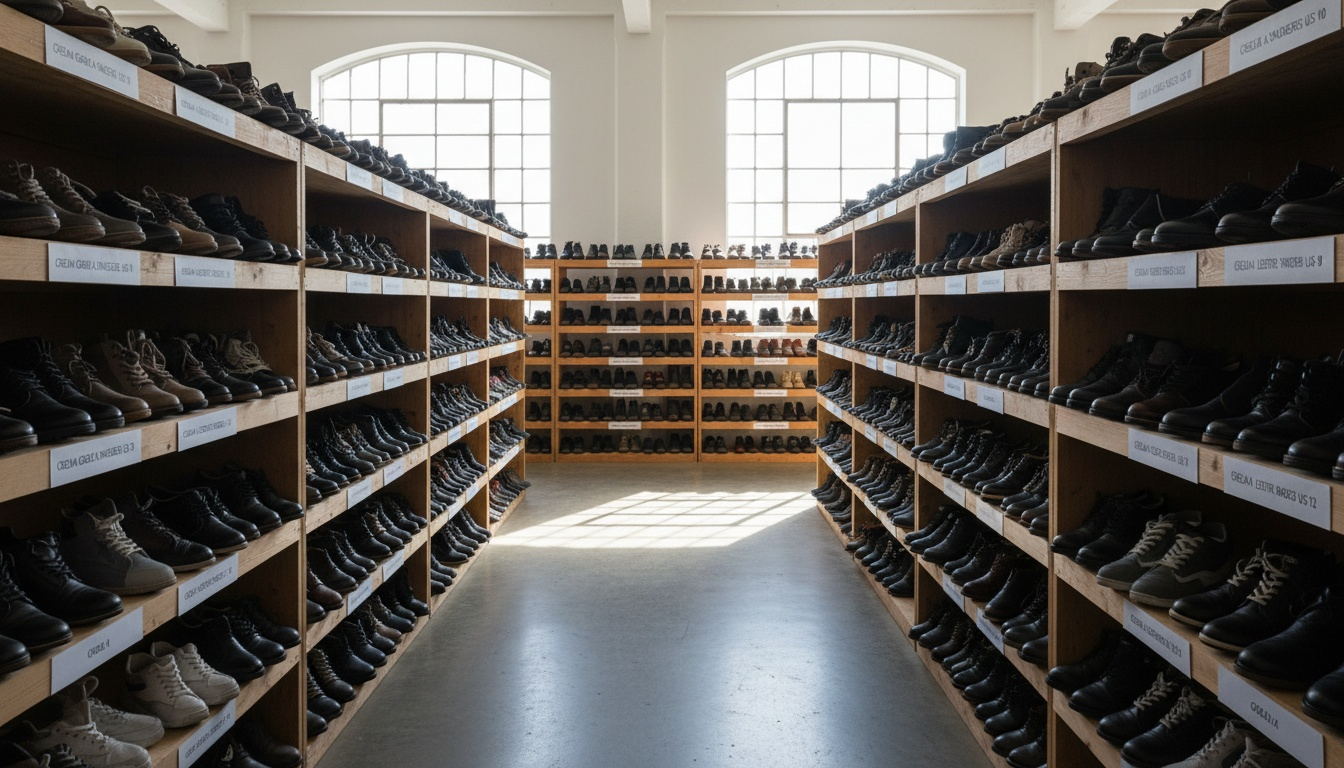
For wholesale buyers focusing on profitability, understanding the nuances of sourcing wholesale used shoes for sale is essential. The second-hand footwear market has shown resilience and growth, presenting an opportunity for resellers and store owners to optimize their inventory and boost profit margins. With a variety of bale grades and container logistics to navigate, it’s essential to develop a strategic approach that maximizes resale potential while ensuring compliance with industry standards. In this article, we’ll break down key insights that will help you make informed purchasing decisions.
Table of Contents
- Sourcing Strategies for Used Shoes
- Understanding Bale Grades
- Container Logistics and Order Quantities
- Maximizing Profit Margins
- Compliance and Quality Assurance
- Market Demand and Resale Potential
Sourcing Strategies for Used Shoes
Effective sourcing strategies are fundamental for wholesale buyers looking to acquire wholesale used shoes for sale. Establishing reliable relationships with suppliers can lead to consistent inventory flow and improved margins. In the UK, suppliers like Uk Clothing Ltd offer a variety of sorted and unsorted options, catering to different business needs. Evaluating supplier credibility and product quality is crucial; consider visiting warehouses to inspect goods firsthand, as this can significantly impact the buying decision.
Additionally, understanding regional demand is key to successful sourcing. Different areas may have varying preferences for shoe types, such as formal, casual, or athletic. By aligning your sourcing strategy with market demand, you can better position your inventory for resale. Engaging in trade shows or industry events can also provide insights into emerging trends and allow buyers to network with other industry professionals, enhancing their sourcing capabilities.
Pro tip: Always negotiate minimum order quantities (MOQs) to ensure you're making a financially viable investment without overcommitting your budget.
Understanding Bale Grades
When considering wholesale used shoes for sale, it's vital to understand the grading system used by suppliers. Bale grades typically range from Cream, Grade A, Original, to Cash mix, each representing different quality levels and price points. Cream grade offerings generally contain the highest quality items, often including premium brands, while Grade A may feature slightly lower quality but still desirable products. Original and Cash mix bales might include a broader range of items, which can be beneficial for businesses catering to diverse customer needs.
Investing in higher-grade bales may yield better resale value, but it’s essential to balance quality with cost. Buyers should analyze past sales data to determine which grades perform best in their specific market. Understanding the key differences between these grades can aid in strategic decision-making, ensuring that inventory aligns with anticipated consumer demand.
Buyer's note: Review key differences between bale grades to make informed purchasing decisions that align with your business goals.
Container Logistics and Order Quantities
Container logistics play a significant role in the wholesale purchasing process, especially for buyers looking to maximize their investments in wholesale used shoes for sale. Understanding container sizes and their implications for shipping costs can enhance profitability. Common container sizes include 20ft and 40ft, with the latter offering economies of scale for larger orders. However, buyers must also consider their storage capacity and ability to manage inventory effectively.
Minimum order quantities (MOQs) are another critical factor in this equation. Suppliers often set MOQs to ensure efficient processing and shipping. Buyers should evaluate their sales forecasts and existing inventory before committing to larger orders. This strategic planning can prevent excess stock and improve cash flow.
Industry insight: Leverage container-ready bales to streamline logistics and reduce operational costs.
Maximizing Profit Margins
Profit margins are a critical consideration for any wholesale buyer of wholesale used shoes for sale. The key to maximizing these margins lies in strategic pricing and cost management. Buyers should conduct thorough market research to understand competitive pricing strategies and consumer expectations. This knowledge can inform pricing decisions that balance consumer demand with profitability.
Moreover, consider the resale potential of various shoe types. Certain categories, such as boots or athletic shoes, may yield higher margins than others. By focusing on high-demand categories, businesses can improve their overall profitability. Implementing effective marketing strategies, such as highlighting unique selling points and leveraging social media, can also attract more customers to your offerings.
Quick win: Explore high-margin categories to optimize your product mix and enhance profitability.
Compliance and Quality Assurance
Compliance with industry regulations and quality assurance standards is crucial for wholesale buyers of wholesale used shoes for sale. Understanding the legal requirements for selling second-hand footwear in the UK is essential to avoid potential pitfalls. Buyers must ensure that their products meet safety and quality standards, particularly when dealing with children's footwear.
Quality assurance processes should also be a priority when sourcing used shoes. Implementing thorough inspection protocols upon receipt of goods can help identify any issues before items reach the sales floor. Establishing strong communication with suppliers regarding product conditions and expectations can foster better relationships and improve overall quality.
Watch out: Ensure compliance with essential shipping documents to streamline your operations and maintain regulatory standards.
Market Demand and Resale Potential
The demand for second-hand shoes is steadily increasing as consumers become more environmentally conscious and seek affordable alternatives. This trend presents a significant opportunity for wholesale buyers of wholesale used shoes for sale. Understanding the dynamics of market demand can inform inventory decisions and help maximize resale potential.
Identifying trends in consumer preferences—such as specific styles, brands, or sustainability factors—can guide purchasing strategies. Buyers should stay informed about market shifts through industry reports and consumer feedback. Additionally, leveraging social media and online platforms can enhance visibility and attract a broader customer base, further driving demand.
Worth knowing: Engaging with reliable wholesale partners can provide insights into market trends and help optimize your inventory for demand.
Frequently Asked Questions
What are the benefits of buying wholesale used shoes?
Buying wholesale used shoes allows resellers to acquire inventory at lower costs, enhancing profit margins and providing varied offerings to customers.
How do I choose the right bale grade?
Choosing the right bale grade depends on understanding your market demand and balancing quality with cost. Analyze past sales data for insights.
What are minimum order quantities (MOQs)?
MOQs are the minimum amount of product a supplier requires you to purchase, which can affect your inventory management and cash flow.
How can I ensure compliance when selling used shoes?
To ensure compliance, familiarize yourself with local regulations regarding second-hand goods and implement quality assurance measures upon receiving products.