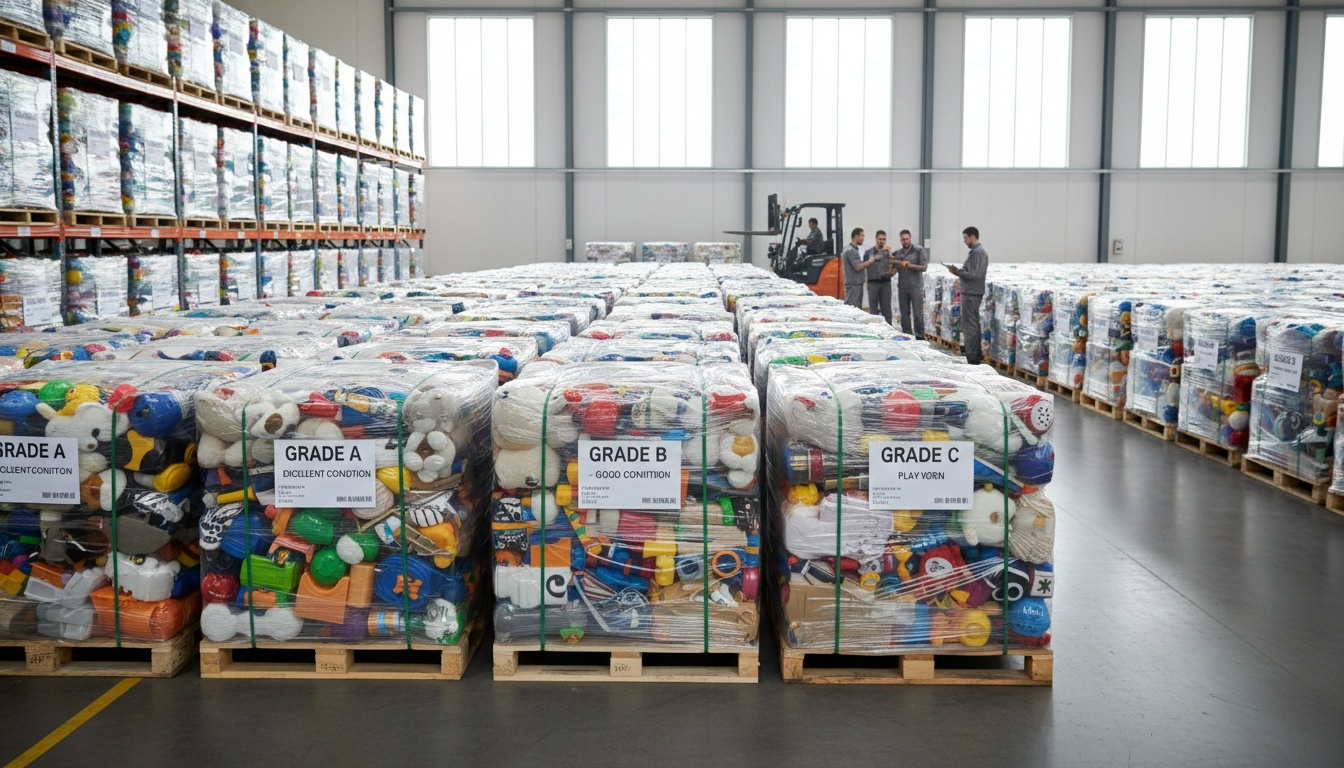
Sourcing used toys wholesale presents a lucrative opportunity for B2B buyers looking to enhance their product offerings while maintaining cost efficiencies. The demand for second-hand toys is on the rise, driven by sustainability trends and budget-conscious consumers. Understanding the different grading systems, sourcing strategies, and logistics involved in acquiring these products can significantly impact your resale profits. In this guide, we will explore key aspects of wholesale used toys, including the various grades, container logistics, and how to maximize your margins while ensuring compliance with regulations.
Table of Contents
- Understanding Grading Systems for Used Toys
- Sourcing Strategies for Used Toys
- Logistics of Container Loads
- Maximizing Resale Margins
- Compliance and Quality Assurance
- Frequently Asked Questions
Understanding Grading Systems for Used Toys
When dealing in used toys wholesale, one of the first considerations is the grading system. Different grades, such as Cream, Grade A, Original, and Cash Mix, denote the quality and condition of the toys. Cream grade typically consists of items that are nearly new, with little to no signs of wear, making them ideal for high-value resale. Grade A toys may show some signs of use but are still in good condition and offer great resale potential. Original and Cash Mix grades consist of a broader range of conditions, allowing buyers to cater to different market segments.
It’s crucial for wholesale buyers to understand these distinctions as they directly influence pricing and potential margins. For instance, investing in Cream grade toys might be more expensive upfront, but they can yield higher resale profits due to their quality. On the other hand, Original and Cash Mix may allow for bulk purchases at a lower cost, appealing to budget-sensitive customers. Understanding your target market will help you decide which grades to focus on, aligning your sourcing strategy with market demand.
Pro tip: Always inspect samples before committing to large orders, especially when dealing with lower-grade products, to ensure they meet your quality standards.
Sourcing Strategies for Used Toys
Effective sourcing is vital for any wholesale operation, particularly in the used toys sector. Establishing relationships with reliable suppliers can significantly enhance your inventory quality. Consider sourcing from established wholesalers or companies that specialize in second-hand goods. These suppliers often have the infrastructure in place to sort and grade toys effectively, ensuring that you receive quality products.
Another strategy involves exploring local auctions, liquidation sales, and even online marketplaces where bulk lots of toys may be available. This approach can lead to unique finds that may not be available through traditional wholesale channels. However, it's essential to assess the condition and compliance of these toys to avoid potential regulatory issues down the line.
Furthermore, diversifying your sources can mitigate risks associated with supply chain disruptions. By not relying on a single supplier, you can maintain consistent stock levels and meet market demand more effectively.
Buyer's note: Always verify the supplier's compliance with safety standards, particularly for toys that will be sold in the UK market.
Logistics of Container Loads
When sourcing used toys wholesale, understanding the logistics of container loads is critical for operational efficiency. Most wholesalers offer products in bales or full container loads, typically 20ft or 40ft. Opting for container loads can lead to significant cost savings, particularly if your operation can handle larger quantities.
For instance, purchasing in bulk allows you to benefit from economies of scale, reducing your per-unit cost. However, it's essential to assess your storage capacity and inventory turnover rates to avoid overstocking. Additionally, consider the logistics of shipping and handling, as these factors can impact overall profitability.
Working with a supplier that provides container-ready bales can save you substantial time and money, as they often include necessary shipping documentation and ensure that the goods are packed efficiently. This can streamline your operations, allowing you to focus on your core business activities rather than logistics.
Industry insight: Collaborate closely with your shipping partner to ensure that container loads are optimized for shipping routes, as this can affect delivery times and costs.
Maximizing Resale Margins
To maximize resale margins when dealing in used toys wholesale, it's essential to have a clear pricing strategy. Understanding your cost structure, including acquisition costs, shipping, and any additional handling fees, will enable you to set competitive prices while ensuring profitability. Researching market trends can provide insights into optimal pricing strategies. Knowing what similar products are selling for can help you position your offerings effectively.
Moreover, consider implementing tiered pricing based on the grading of toys. Higher-quality items can command premium prices, while lower-grade toys might appeal to budget-conscious buyers. This flexibility allows you to cater to a broader customer base while maximizing profits across different product lines.
Additionally, offering bundles or mixed lots can entice buyers to purchase more, increasing average order value. Highlighting the unique aspects of your inventory, such as rare or collectible items, can also justify higher price points.
Quick win: Regularly review your pricing strategy and adjust according to market changes to ensure you remain competitive.
Compliance and Quality Assurance
Compliance is a critical aspect of sourcing used toys wholesale, especially regarding safety regulations. In the UK, toys must adhere to stringent safety standards to ensure they are safe for children. As a wholesale buyer, it is your responsibility to ensure that the products you source meet these requirements.
Establishing a quality assurance process is essential for maintaining compliance. This may involve regular inspections of incoming stock, reviewing supplier certifications, and ensuring that all toys are free from hazardous materials. Implementing a robust quality control system can help mitigate risks associated with non-compliance, which can lead to costly penalties or damage to your business reputation.
Moreover, staying informed about changes in regulations and standards will help you adapt your sourcing and selling strategies accordingly. Engaging with industry groups or consultative bodies can provide valuable insights into upcoming changes and best practices.
Watch out: Non-compliance can have serious repercussions, including fines and product recalls. Ensure you are fully aware of all relevant regulations.
Frequently Asked Questions
What are the advantages of sourcing used toys wholesale?
Sourcing used toys wholesale allows businesses to offer unique products at competitive prices while catering to the growing demand for sustainable goods.
How do I determine the right grade of toys to purchase?
Assess your target market and their preferences. Higher grades like Cream will yield higher resale margins, while lower grades can be more cost-effective for bulk sales.
What are the typical minimum order quantities for used toys?
Minimum order quantities can vary by supplier but typically range from bales to full container loads. Always check with your supplier for specific requirements.
How do I ensure the toys I purchase are compliant with UK regulations?
Verify that your suppliers provide compliance documentation and regularly inspect incoming stock to ensure it meets safety standards.