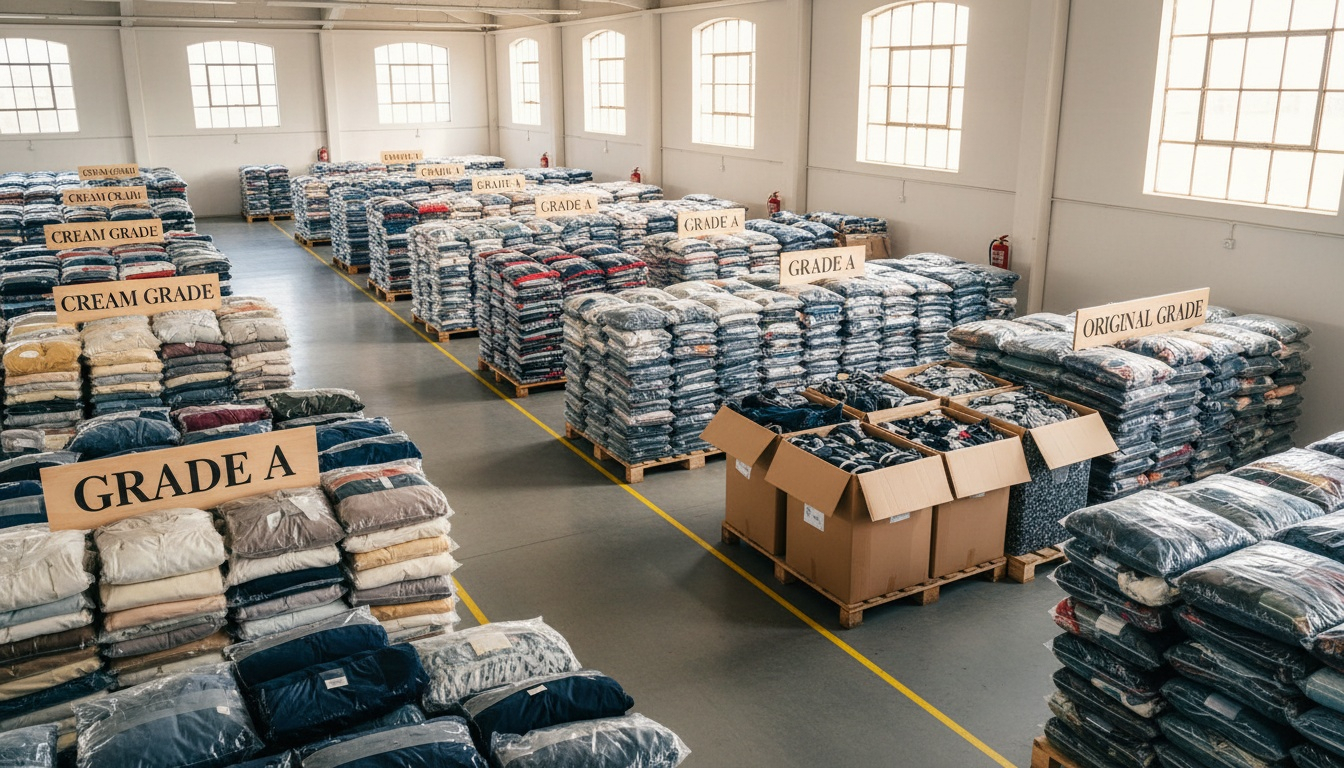
In the competitive landscape of wholesale clothing, sourcing second-hand clothes wholesale USA presents a lucrative opportunity for B2B buyers looking to optimize their inventory and profit margins. With the rising demand for sustainable fashion, second-hand garments have become a preferred choice for resellers, store owners, and exporters. This article will guide you through the essential factors to consider when sourcing second-hand clothing, including bale grades, container logistics, and minimum order quantities (MOQs), ensuring you make informed purchasing decisions that enhance your business's profitability.
Table of Contents
- Understanding Bale Grades
- Container Logistics for Wholesale Buyers
- Minimum Order Quantities (MOQs)
- Effective Sourcing Strategies
- Compliance and Quality Assurance
- Maximizing Resale Potential
Understanding Bale Grades
When sourcing second-hand clothes wholesale USA, understanding the grading system is crucial. The grades typically include Cream, Grade A, Original, and Cash mix, each offering different quality levels and price points. Cream grade represents the highest quality, featuring premium items that command higher resale prices. Grade A offers slightly lower quality but still consists of desirable pieces, while Original and Cash mix grades may include a broader range of items, including those with minor imperfections.
Each grade has its market demand, and it’s essential to align your purchases with your target audience's preferences. For instance, if you cater to a market that values high-quality clothing, focusing on Cream and Grade A bales may yield better margins. Conversely, if your clientele is more price-sensitive, Original and Cash mix options might be more suitable. Understanding these distinctions will allow you to tailor your buying strategy effectively and maximize your profit potential.
Pro tip: Always request samples of the bales before making a bulk purchase to ensure the quality meets your standards and aligns with your market needs.
Container Logistics for Wholesale Buyers
Logistics play a pivotal role in the success of your wholesale operation, especially when importing second-hand clothes from the USA. Understanding container loads is essential for managing costs and ensuring timely deliveries. Typically, second-hand clothing is shipped in 20ft and 40ft containers, with the latter providing better economies of scale.
When planning your logistics, consider the shipping costs, customs duties, and any other fees associated with importing goods. It's also wise to factor in the time required for shipping and customs clearance, as these can impact your inventory levels and sales potential. Establishing relationships with reliable shipping partners can streamline this process, reducing the likelihood of delays and unexpected costs.
Buyer's note: Always keep track of shipping documents and ensure compliance with import regulations to avoid complications during customs clearance.
Minimum Order Quantities (MOQs)
Minimum Order Quantities (MOQs) are a critical consideration when sourcing second-hand clothes wholesale USA. Suppliers often impose MOQs to ensure profitability and streamline operations. These quantities can vary significantly based on the supplier and the type of goods being ordered.
As a buyer, it’s important to evaluate your inventory needs and cash flow when determining how much to order. If you’re just starting, you may want to negotiate lower MOQs to reduce your initial investment and test the market. However, keep in mind that larger orders usually result in lower unit costs, improving your profit margins in the long run.
Industry insight: Building a strong relationship with your supplier can provide you with more flexibility regarding MOQs and allow you to negotiate better terms as your business grows.
Effective Sourcing Strategies
To maximize your profits when sourcing second-hand clothing, developing effective sourcing strategies is vital. Researching potential suppliers and understanding their product offerings will enable you to make informed decisions. Look for suppliers that specialize in the grades of clothing that align with your market demands.
Networking within the industry can also provide valuable insights and opportunities. Attend trade shows and industry events to connect with suppliers, learn about new trends, and discover innovative sourcing ideas. Engaging with other wholesalers can also help you share best practices and navigate challenges together.
Quick win: Utilize online platforms and marketplaces dedicated to B2B wholesale to discover new suppliers and compare product offerings conveniently.
Compliance and Quality Assurance
Compliance with local regulations and quality assurance standards is paramount when dealing with second-hand clothing. Ensure that your suppliers adhere to safety and quality guidelines, as this will protect your business from potential liabilities and enhance your reputation in the market.
Conducting regular audits and inspections of your suppliers can help ensure they meet necessary compliance standards. Utilize third-party inspection services if needed to verify the quality of the goods before shipping. This diligence not only safeguards your investment but also reassures your customers of the quality of the products you offer.
Watch out: Stay informed about changes in import regulations and compliance standards in both the USA and your home country to avoid costly penalties.
Maximizing Resale Potential
Understanding the resale potential of second-hand clothes is crucial for optimizing your margins. Conduct market research to identify trending items and categories that have high demand. This research can inform your purchasing decisions and help you select bales that are likely to sell quickly.
Consider diversifying your inventory to include not just clothing but also accessories, bric-a-brac, and toys, as these categories can complement your clothing offerings and attract a broader audience. For example, sourcing from our bric-a-brac category can provide unique items that appeal to various consumer interests.
Worth knowing: Leverage social media and online marketing strategies to promote your second-hand offerings, as these platforms can significantly enhance your visibility and reach.
Frequently Asked Questions
Question
What are the benefits of sourcing second-hand clothes wholesale?
Sourcing second-hand clothes wholesale allows businesses to offer unique products, cater to sustainable fashion trends, and achieve higher profit margins compared to new clothing.
Question
How do I choose the right grade of clothing for my business?
Evaluate your target market's preferences and price sensitivity. Higher grades like Cream or Grade A attract higher-end customers, while Original and Cash mix may appeal to budget-conscious buyers.
Question
What should I consider regarding shipping logistics?
Consider shipping costs, customs duties, and the time required for shipping and clearance. Work with reliable shipping partners to ensure a smooth process.
Question
How can I ensure compliance with import regulations?
Stay informed about local regulations, conduct regular supplier audits, and utilize third-party inspection services if necessary to verify quality and compliance.