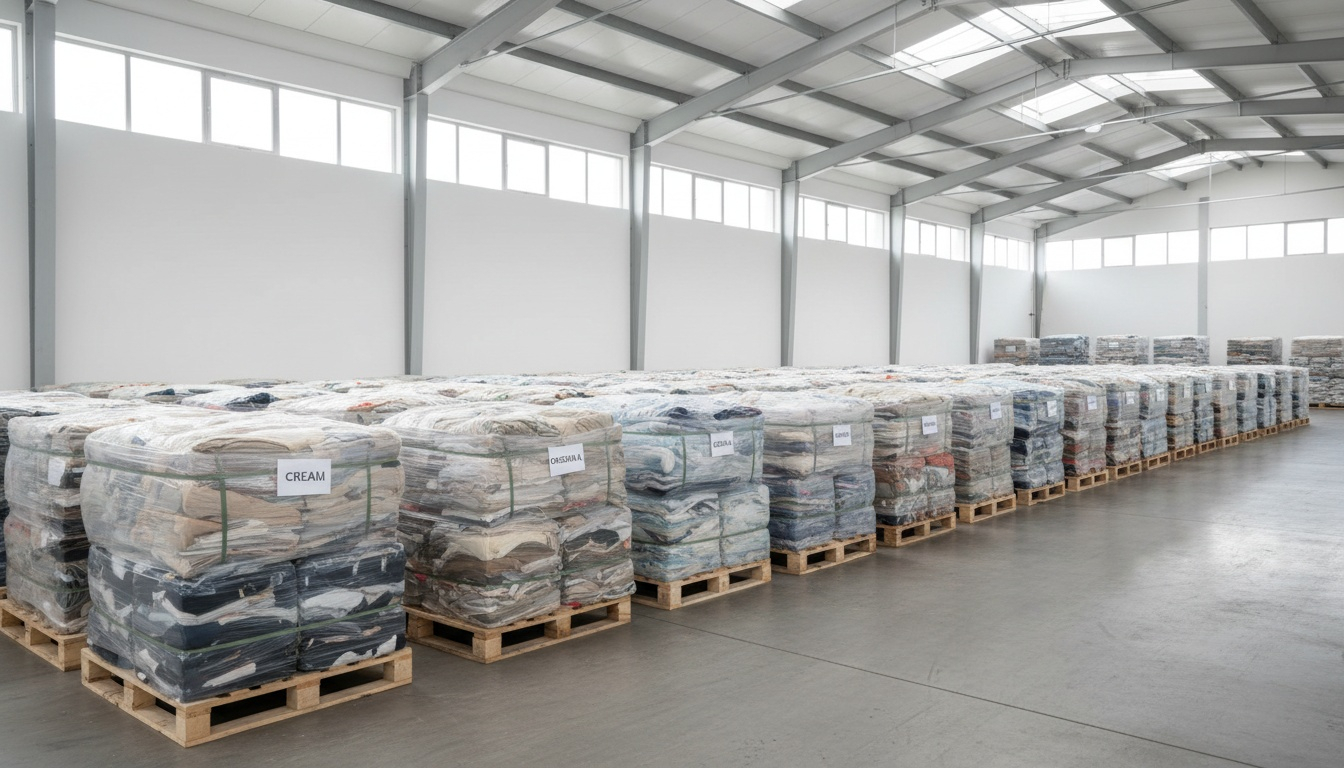
In the competitive landscape of B2B retail, sourcing second-hand clothing can provide significant advantages for wholesale buyers. By tapping into the 2nd hand clothes wholesale market, businesses can not only diversify their product offerings but also improve their profit margins. Understanding the complexities of bale grades, compliance requirements, and logistics is critical for making informed purchasing decisions. This article will explore essential strategies to maximize your sourcing potential and ensure sustainable profitability in the second-hand clothing sector.
Table of Contents
- Sourcing Strategies for 2nd Hand Clothes
- Understanding Bale Grades
- Container Logistics for Efficient Supply
- Minimum Order Quantities (MOQs)
- Evaluating Resale Potential
- Compliance and Market Demand
Sourcing Strategies for 2nd Hand Clothes
When it comes to sourcing second-hand clothing, wholesale buyers should focus on developing strategic partnerships with reliable suppliers. This begins with identifying suppliers who specialize in sorted and unsorted clothing. A supplier like UK Clothing Ltd offers a variety of grades, allowing buyers to tailor their purchases to match market demand and their target customer base.
Additionally, attending trade shows and industry events can help buyers establish connections with suppliers and gain insights into emerging trends. These venues often showcase new products and innovations in the second-hand clothing market. Furthermore, leveraging online platforms and forums can offer valuable information regarding supplier reliability and market dynamics.
Moreover, understanding local and international shipping regulations is crucial. This knowledge allows buyers to avoid potential pitfalls in logistics and ensures smoother transactions. By implementing effective sourcing strategies, wholesale buyers can not only secure quality products but also maintain a competitive edge in the marketplace. Pro tip: Regularly reassess your supplier relationships to ensure you are getting the best value and quality.
Understanding Bale Grades
The grading of second-hand clothing is a critical factor that influences resale value and profit margins. Suppliers like UK Clothing Ltd categorize their products into various grades, including Cream, Grade A, and Original, each representing different quality levels and pricing. Understanding these grades is essential for wholesale buyers to make informed purchasing decisions.
For instance, Cream-grade clothing typically consists of premium quality items, often brand new or nearly new, which can command higher resale prices. On the other hand, Grade A items may have minor imperfections but still offer significant value to buyers. It's important to assess your target market when choosing grades, as some buyers may prefer lower-cost options that they can resell at competitive prices.
Moreover, buyers should consider the volume of stock they need and how it aligns with their pricing strategy. By selecting the right combination of grades, wholesale buyers can maximize their profit margins while catering to diverse customer preferences. Buyer's note: Always request samples before making large orders to ensure the quality meets your standards.
Container Logistics for Efficient Supply
Logistics play a crucial role in the wholesale supply chain, especially when dealing with container loads. Understanding how to optimize container logistics can lead to significant cost savings and improved efficiency. UK Clothing Ltd provides container-ready bales, allowing for straightforward loading and reduced handling times.
Buyers must also consider the shipping methods available and the associated costs. Shipping via container offers economies of scale, particularly for larger orders. However, it is essential to understand the weight and volume restrictions that may apply to different shipping routes. Conducting a thorough analysis of shipping options can help identify the most cost-effective solutions for transporting goods.
Furthermore, it's advisable to stay informed about potential delays or changes in shipping regulations that may affect delivery timelines. By proactively managing logistics, wholesale buyers can ensure a steady flow of inventory and meet market demands effectively. Industry insight: Build relationships with freight forwarders to streamline your logistics process and mitigate unexpected costs.
Minimum Order Quantities (MOQs)
Understanding Minimum Order Quantities (MOQs) is vital when sourcing second-hand clothing. Different suppliers may have varying MOQs, which can impact your purchasing strategy significantly. UK Clothing Ltd, for example, sets MOQs that can help you manage inventory effectively without overcommitting financially.
Buyers should analyze their sales forecasts and inventory turnover rates when considering MOQs. A lower MOQ may allow for more flexibility in testing new products, while a higher MOQ can lead to better pricing per unit. However, overestimating demand can result in excess stock, which can strain cash flow and storage resources.
It's beneficial to communicate clearly with suppliers regarding your needs and expectations. This dialogue can often lead to more favorable terms or arrangements, especially if you are a repeat buyer. By strategically managing MOQs, wholesale buyers can optimize their inventory and ensure they have the right products to meet demand. Quick win: Consider working with multiple suppliers to diversify your inventory and mitigate risks associated with high MOQs.
Evaluating Resale Potential
Assessing the resale potential of second-hand clothing is a critical aspect of successful wholesale buying. Factors such as current market trends, customer preferences, and seasonal demand can significantly influence the resale value of your inventory. UK Clothing Ltd offers a diverse range of products, enabling buyers to adapt their offerings based on market insights.
One effective strategy is to conduct market research to understand which categories of second-hand clothing are currently in demand. For example, items in the sustainable fashion space are increasingly popular, presenting opportunities for higher resale margins. Additionally, staying updated on emerging trends can help buyers make informed decisions about their inventory selections.
Moreover, consider the pricing strategy when reselling second-hand clothes. Offering competitive prices while ensuring a reasonable profit margin is key to attracting buyers. By strategically evaluating resale potential, wholesale buyers can maximize their return on investment. Watch out: Avoid overstocking items that are likely to go out of fashion quickly.
Compliance and Market Demand
Compliance with regulations surrounding the sale of second-hand clothing is non-negotiable for wholesale buyers. Understanding the legal requirements for the resale of second-hand goods in your target markets is essential. Suppliers like UK Clothing Ltd adhere to compliance standards, ensuring that their products meet necessary regulations, which can alleviate some burdens from buyers.
Additionally, staying informed about market demand is crucial for successful sourcing. Trends in sustainability and ethical fashion are increasingly influencing consumer purchasing decisions, leading to a growing market for second-hand products. Wholesale buyers should align their sourcing strategies with these trends to meet consumer expectations effectively.
Furthermore, establishing a compliance checklist can help streamline your purchasing process and ensure that all necessary documentation is accounted for. This diligence not only protects your business but also builds trust with your retail partners. Worth knowing: Regularly review compliance regulations as they can change frequently, impacting your sourcing strategy.
Frequently Asked Questions
What are the benefits of sourcing second-hand clothing wholesale?
Sourcing second-hand clothing wholesale allows buyers to access a diverse range of products at competitive prices, maximizing profit margins and meeting consumer demand for sustainable fashion.
How do I understand the different bale grades?
Bale grades categorize second-hand clothing based on quality, with options like Cream, Grade A, and Original. Understanding these grades helps buyers select the right products for their target market.
What should I consider regarding Minimum Order Quantities (MOQs)?
When evaluating MOQs, consider your inventory turnover rates and cash flow. Different suppliers have different MOQs that can impact your purchasing flexibility.
How can I evaluate the resale potential of second-hand clothing?
Assessing resale potential involves analyzing market trends, customer preferences, and pricing strategies to ensure your inventory aligns with demand.