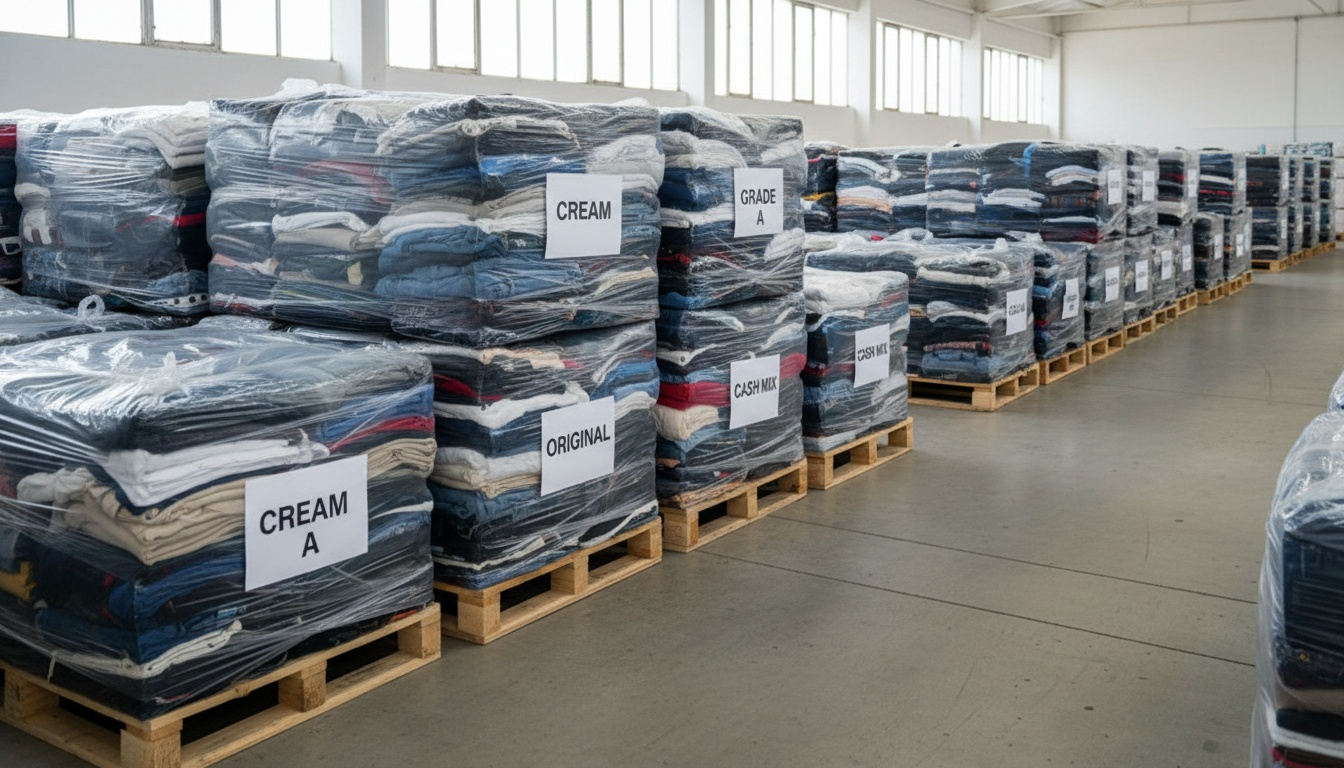
As a B2B buyer in the competitive landscape of wholesale second hand clothes in Germany, understanding sourcing strategies can significantly enhance your profit margins. With the rise of eco-conscious consumerism and demand for unique items, the market for second-hand clothing is thriving. However, navigating this market requires knowledge of bale grades, container logistics, and effective compliance with regulations. In this article, we will provide you with valuable insights on how to maximize your margins by strategically sourcing second-hand clothing, understanding the importance of bale grades, and optimizing your logistics for successful resale in Germany.
Table of Contents
- Understanding Bale Grades
- Logistics and Container Loads
- Market Demand for Second Hand Clothing
- Effective Sourcing Strategies
- Minimum Order Quantities (MOQ)
- Compliance and Regulations
Understanding Bale Grades
The classification of second-hand clothing into different bale grades is crucial for wholesale buyers aiming to maximize their margins. In the UK, grades typically include Cream, Grade A, Original, and Cash mix, each representing varying quality levels. Cream grade items are often the highest quality, featuring premium brands and styles. Grade A offers good quality with some minor imperfections, while Original may contain a mix of vintage and used items that can appeal to niche markets. Cash mix can include lower quality items that may not meet the standards of other grades but can be priced competitively.
For buyers targeting the German market, it's essential to understand how these grades align with local consumer preferences. The demand for high-quality vintage or unique pieces is growing, making Cream and Grade A bales particularly attractive. By focusing on these grades, you can cater to the increasing appetite for sustainable and stylish options. Moreover, understanding bale grades helps you set competitive resale prices, ensuring higher profit margins while meeting market demands.
Pro tip: Regularly review your sales data to identify which bale grades yield the best margins in your specific market. This can guide your future purchasing decisions.
Logistics and Container Loads
Logistics plays a vital role in the wholesale second-hand clothing supply chain, particularly when sourcing from the UK to Germany. Buyers should be aware of the logistics involved in ordering container loads, which typically come in 20ft and 40ft sizes. Understanding container capacity and how to maximize space can lead to significant cost savings. For example, a 40ft container can hold approximately 28,000 to 30,000 pieces, depending on the bale size and type.
Efficient logistics not only reduces shipping costs but also improves delivery times. Establishing a reliable relationship with your supplier, such as UK Clothing Ltd, can facilitate smoother transactions and timely shipments. Additionally, be mindful of the essential shipping documents required for customs clearance in Germany. These documents include a commercial invoice, packing list, and import declaration, which are critical to ensuring compliance with local regulations.
Buyer's note: Consider using a freight forwarder with experience in handling second-hand clothing logistics to streamline your shipping process.
Market Demand for Second Hand Clothing
Understanding the market demand for second-hand clothing in Germany is essential for any wholesaler looking to establish a foothold in the industry. The growing trend towards sustainability has led consumers to seek out eco-friendly options, with second-hand clothing becoming increasingly popular. Recent studies indicate that the second-hand clothing market in Germany is projected to continue its upward trajectory, driven by younger consumers who prioritize sustainable fashion choices.
Moreover, the rise of online marketplaces has made it easier for resellers to reach a wider audience, further fueling demand. As a wholesale buyer, tapping into this trend means sourcing high-quality second-hand clothing that aligns with current market preferences. Items that showcase unique designs or historical significance often command higher prices, making them lucrative for resale.
Industry insight: Keep an eye on local fashion trends and seasonal demands to adjust your inventory accordingly, ensuring you remain competitive.
Effective Sourcing Strategies
Developing effective sourcing strategies is key to maximizing your margins when purchasing wholesale second-hand clothes in Germany. One approach is to establish direct relationships with trusted suppliers, such as UK Clothing Ltd, who can provide consistent quality and reliable shipping. Additionally, consider diversifying your suppliers to mitigate risks associated with supply chain disruptions.
Another effective strategy is to focus on niche markets. By identifying specific demographics or fashion trends within Germany, you can tailor your sourcing to meet the unique needs of your target audience. For instance, sourcing vintage clothing for the retro fashion market or specific sizes for plus-size consumers can help differentiate your offerings.
Quick win: Attend industry trade shows and networking events to connect with potential suppliers and gain insights into emerging trends.
Minimum Order Quantities (MOQ)
Minimum order quantities (MOQs) are a critical consideration for wholesale buyers in the second-hand clothing sector. Suppliers often set MOQs to ensure efficient processing and shipping, which can vary based on the grade and type of clothing. Understanding these MOQs is essential for budgeting and inventory management. For instance, a supplier may require a minimum order of 1 ton for a particular grade, which can translate to a significant investment.
When negotiating with suppliers, it is important to factor in your resale strategy and anticipated turnover rates. If your business model allows for higher turnover, you may be more inclined to meet higher MOQs. Conversely, if your focus is on niche markets with slower sales, negotiating lower MOQs could be advantageous to avoid excess inventory.
Watch out: Always clarify the terms of MOQs with your supplier to avoid unexpected costs or inventory issues.
Compliance and Regulations
Compliance with local regulations is a significant aspect of sourcing wholesale second-hand clothes in Germany. Importing second-hand clothing involves adhering to specific customs and health regulations to ensure that the items meet safety standards. Buyers must familiarize themselves with the legal requirements for importing textiles, including labeling and documentation standards.
Additionally, sustainability certifications may become increasingly important as consumers demand transparency regarding the sourcing of their clothing. Suppliers that can demonstrate compliance with environmentally friendly practices may provide a competitive advantage.
Worth knowing: Regularly review the regulatory landscape in Germany to stay informed about any changes that may impact your import processes.
Frequently Asked Questions
What are the main benefits of sourcing second-hand clothing?
Sourcing second-hand clothing allows businesses to tap into a growing market for sustainable fashion while benefiting from lower procurement costs compared to new items.
How do I determine the right bale grade for my business?
Assess your target market's preferences and sales data to identify which bale grades align with your customers' demands and yield the best profit margins.
What logistics considerations should I keep in mind when importing?
Be aware of shipping costs, container sizes, and necessary documentation required for customs clearance to ensure a smooth import process.
Are there specific regulations for importing second-hand clothing into Germany?
Yes, compliance with customs, health and safety regulations, and sustainable sourcing practices are essential when importing second-hand clothing into Germany.