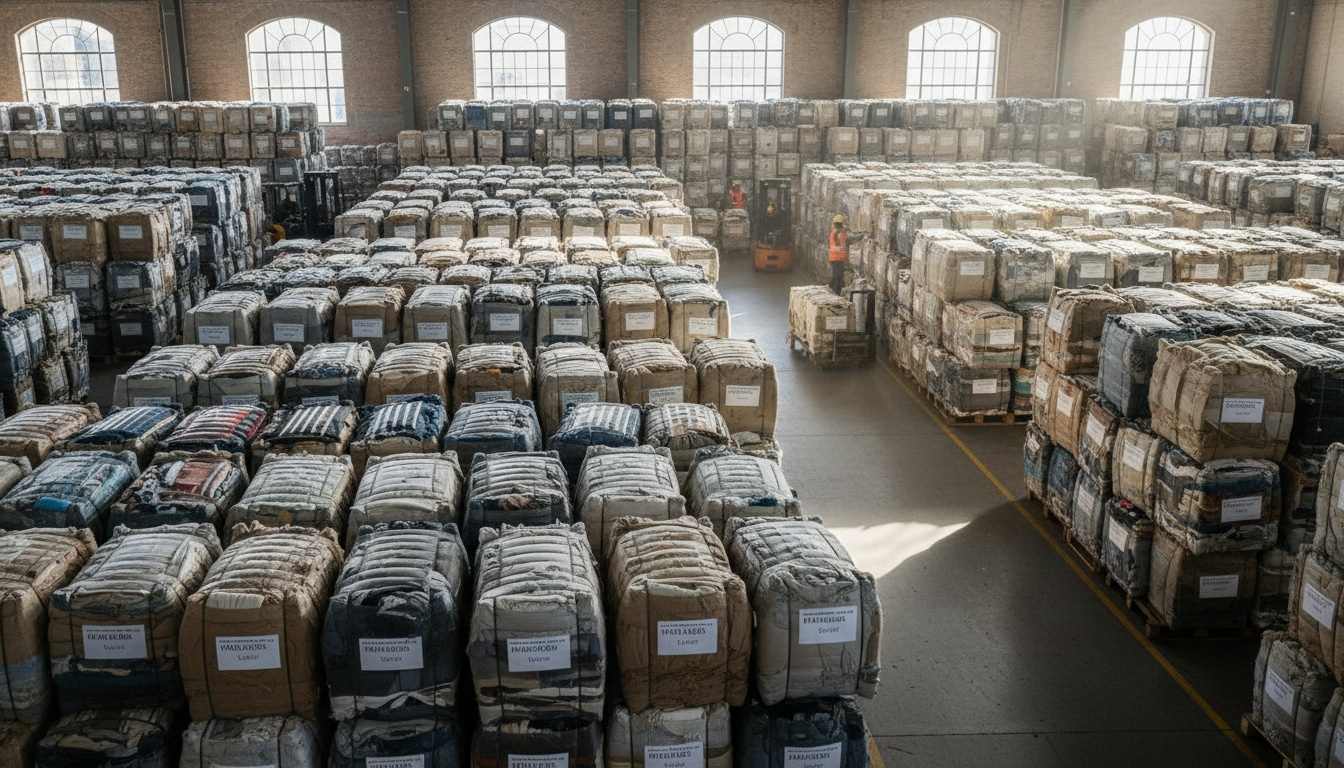
In today's growing market for sustainable fashion, understanding the landscape of used clothes wholesale in Europe is crucial for B2B buyers. This comprehensive guide provides insights into sourcing quality second-hand clothing, connecting with reputable suppliers, and navigating the complexities of the wholesale market. As environmental awareness increases, many businesses are shifting towards second-hand apparel, making it a viable option for wholesalers, store owners, and resellers. Whether you are new to the industry or looking to expand your offerings, this guide will serve as a valuable resource to help you make informed decisions and build a successful second-hand clothing business.
Table of Contents
- Understanding the Second-Hand Clothing Market
- Top European Suppliers of Used Clothes
- Sourcing Quality Second-Hand Clothing
- Navigating Logistics and Imports
- Sustainability and Regulations
- Future Trends in Second-Hand Clothing
Key Takeaways
| Understanding Demand | Second-hand clothing demand is rapidly increasing due to consumer awareness and sustainability trends. |
| Supplier Relationships | Building strong relationships with reliable suppliers ensures quality and consistency in your inventory. |
| Logistics Management | Effective logistics and understanding import regulations are key to successful wholesale operations. |
| Market Trends | Staying informed about market trends helps businesses adapt and thrive in the competitive landscape. |
Understanding the Second-Hand Clothing Market
The second-hand clothing market in Europe has seen significant growth in recent years, driven by a shift in consumer behavior towards more sustainable choices. According to a report by JRC Publications, the demand for used textiles is on the rise, with major importers like the Netherlands and Poland leading the way. Understanding this market is essential for B2B buyers looking to capitalize on this trend.
Industry statistics indicate that the EU imported over €154 billion worth of clothing in 2019, with a significant portion being second-hand items. This presents a lucrative opportunity for wholesalers and resellers who want to meet the growing demand for sustainable fashion options.
Pro Tip: Stay updated with market reports and consumer trends to identify the best opportunities for sourcing second-hand clothing.
Top European Suppliers of Used Clothes
Finding reliable suppliers is crucial for any B2B clothing operation. Europe boasts numerous wholesale suppliers specializing in second-hand clothing. Countries such as Germany, France, and the UK are known for their strong second-hand clothing markets. Some well-known suppliers include:
- Textile Recycling Companies: Many companies specialize in collecting and sorting used textiles for resale.
- Social Enterprises: Organizations that focus on sustainable practices and social responsibility often provide high-quality second-hand clothes.
- Online Wholesale Platforms: Websites dedicated to connecting buyers with suppliers can simplify the sourcing process.
By establishing connections with these suppliers, businesses can ensure a steady stream of inventory that meets consumer demands.
Pro Tip: Attend trade shows and industry events to network with suppliers and gain insights into the latest trends.
Sourcing Quality Second-Hand Clothing
Quality is paramount when sourcing second-hand clothing. B2B buyers should look for suppliers that offer a detailed sorting process and quality control measures. The best suppliers provide a range of clothing types, allowing resellers to cater to diverse consumer preferences.
Moreover, understanding the classification of second-hand clothing—such as grade A, B, and C—will help buyers select the best quality items. Grade A items are typically in excellent condition, while grade C may require repairs or have visible wear. This classification system is essential for buyers looking to provide quality products to their customers.
Pro Tip: Always request samples before making large orders to assess the quality of the clothing firsthand.
Navigating Logistics and Imports
Logistics can be one of the most challenging aspects of wholesale operations. Understanding the import regulations specific to used clothing in the EU is essential for smooth operations. Each country has its own rules regarding the import of second-hand goods, which can affect shipping times and costs.
In addition to compliance with regulations, businesses should consider their logistics strategy. This includes transportation methods, warehousing, and inventory management. Efficient logistics will not only save costs but also ensure timely delivery to customers.
Pro Tip: Partner with logistics companies that specialize in textile imports to streamline the process and avoid delays.
Sustainability and Regulations
Sustainability is at the forefront of the second-hand clothing market. New EU regulations aim to limit textile waste and promote the circular economy, including rules against the destruction of unsold clothing. Understanding these regulations is critical for businesses operating in this space, as compliance is essential for long-term success.
Additionally, focusing on sustainability practices can enhance a business's reputation and attract environmentally conscious consumers. Implementing eco-friendly practices in sourcing, packaging, and distribution can set a brand apart in a competitive market.
Pro Tip: Invest in sustainable practices not just for compliance but also as a unique selling point to attract customers.
Future Trends in Second-Hand Clothing
The future of the second-hand clothing market looks promising, with increasing consumer demand projected to continue. As more people become aware of the environmental impacts of fast fashion, the appeal of second-hand clothing is likely to grow. Trends such as online resale platforms and subscription boxes for second-hand items are gaining traction.
Additionally, brands that incorporate second-hand items into their offerings are likely to lead the market. Wholesalers who adapt to these trends by diversifying their inventory and embracing digital platforms will be well-positioned for future success.
Pro Tip: Regularly analyze market trends and consumer behaviors to stay ahead of the competition.
FAQ
What is the second-hand clothing market?
The second-hand clothing market involves the buying and selling of used apparel, which is increasingly popular due to sustainability trends.
How can I find reliable suppliers?
Networking at trade shows, utilizing online platforms, and researching local suppliers can help you find reliable sources for used clothing.
What are the benefits of sourcing second-hand clothing?
Sourcing second-hand clothing can reduce costs, meet consumer demand for sustainable fashion, and contribute to environmental conservation.
What regulations affect the import of second-hand clothing in Europe?
Each EU country has specific regulations regarding the import of used textiles, including compliance with sustainability standards and waste management.