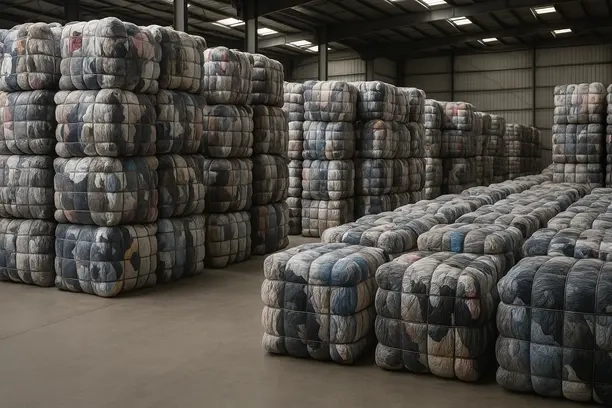
As a B2B buyer in the UK clothing market, sourcing quality second-hand apparel from the USA can enhance your business offerings and align with sustainable practices. This guide will cover essential factors when considering second hand clothing wholesale USA, from understanding market trends to effective supplier partnerships. By tapping into the vast second-hand clothing sector, you can offer an expanded inventory to meet the diverse demands of your customers.
Table of Contents
- Understanding the Second Hand Clothing Market
- Sourcing Quality Suppliers
- Evaluating Bulk Clothing Options
- Sustainability and Ethics in Clothing Trade
- Mitigating Risks in Sourcing
- Market Trends and Projections
Key Takeaways
| Area | Consideration |
|---|---|
| Minimum Order Quantity (MOQ) | Be aware of suppliers' MOQ requirements to manage costs effectively. |
| Grading Standards | Understand the grading system for used clothing to ensure quality. |
| Logistics | Plan for transportation and warehousing to optimise operations. |
| Risk Control | Implement strategies to mitigate risks linked with sourcing. |
Understanding the Second Hand Clothing Market
The second hand clothing market in the USA is a dynamic landscape driven by both supply and demand factors. Research indicates that there is a growing inclination by consumers towards sustainable fashion, enhancing the appeal of second-hand garments. According to the International Second-Hand Clothing Trade, the trade patterns of used clothing significantly contribute to sustainability.
Establishing a robust understanding of this market is crucial for UK-based wholesalers seeking to make informed purchasing decisions. Data shows that the necessity for sourcing second-hand apparel is elevated by fluctuating consumer trends and increasing demand for affordable and eco-friendly options. By recognising these patterns, businesses can tailor their inventory accordingly.
Pro tip: Familiarise yourself with market demand trends to better align your inventory strategy.
Sourcing Quality Suppliers
When seeking out suppliers for second hand clothing wholesale USA, it's critical to identify reputable sources that ensure high-quality products. Look for suppliers who provide clear grading systems and transparency regarding their sourcing processes. The importance of reputable suppliers cannot be overstated, as they directly impact the quality of your inventory.
Your supplier selection process should also consider logistical arrangements. Evaluating shipping capabilities and import logistics is essential to ensure that your goods arrive on time and in good condition. Research indicates that many successful wholesale operations develop strong relationships with suppliers to enhance communication and responsiveness. For more details on supplier communication strategies, refer to Inadequate supply and increasing demand for textiles.
Pro tip: Always perform due diligence on suppliers' backgrounds and customer reviews before entering agreements.
Evaluating Bulk Clothing Options
The evaluation of bulk clothing options is pivotal for resellers and wholesalers aiming to maximise their profit margins. Understanding the different grades of used clothing and their respective market values helps in making informed purchasing decisions. Commercial used apparel collection operations provide insight into optimal collection strategies that can enhance profitability.
Additionally, comparing pricing structures across various suppliers is necessary to ensure competitive pricing for your customers. Each supplier may offer unique advantages that can affect your overall sourcing strategy. Thus, thorough assessment and comparison are essential, as are considerations of MOQ and payment terms.
Pro tip: Keep abreast of market prices for various grades to optimise your purchasing strategy.
Sustainability and Ethics in Clothing Trade
As sustainability becomes increasingly vital in business practices, sourcing second hand clothing aligns well with ethical trading principles. The circular economy promotes not just environmental stewardship but also offers economic opportunities for trade buyers. GreenCCircuit outlines how the second-hand clothing sector plays a significant role in this economic model.
Adopting these principles in your sourcing processes helps build a positive brand image among consumers who prioritise ethical choices. Businesses that incorporate sustainability can attract a broader customer base looking for responsible options.
Pro tip: Integrate sustainability practices into your business model to enhance brand loyalty.
Mitigating Risks in Sourcing
Risk management is crucial for any B2B operation, especially in the dynamic landscape of second-hand apparel sourcing. Issues such as fluctuating supply and demand, compliance with regulations, and quality control can pose significant risks. By understanding these factors, you can implement effective mitigation strategies.
For example, keeping yourself informed on regulatory documents and trade regulations can provide crucial insights into compliance requirements. Data from the World Bank discusses how various factors impact supply side dynamics in the used clothing sector, including potential compliance challenges: multi-page.txt - World Bank Documents and Reports, 2015 American Community Survey - IPUMS Subset.
| Practical Risk | Cause | Mitigation |
|---|---|---|
| Quality Issues | Poor grading or supplier reliability | Ensure rigorous quality checks upon receipt |
| Regulatory Compliance | Changes in trade regulations | Stay updated with international trade laws |
| Supply Chain Disruptions | Unreliable shipping methods | Diversify suppliers for critical inventory |
| Market Fluctuations | Shifts in demand | Monitor market trends continuously |
Pro tip: Always have contingency plans in place for potential supply chain disruptions.
Market Trends and Projections
Keeping an eye on market trends can significantly influence your decisions regarding second hand clothing wholesale USA. Emerging patterns such as increasing consumer preference for sustainable products can shape future market dynamics. Understanding these trends allows you to position your offerings effectively within the marketplace.
Moreover, the removal of textiles and clothing quotas can open up new opportunities for wholesalers. According to TNCs and the Removal of Textiles and Clothing Quotas, these regulatory changes can lead to an influx of suppliers and a variety of product offerings.
Pro tip: Regularly analyse market reports to stay ahead of emerging trends in the used clothing sector.
Unlock Cost Savings and Inventory Variety with Trusted UK Bulk Clothing Sourcing

For trade buyers who need consistent bulk supply and clear grading expectations, explore UKClothingLTD at ukclothingltd.com. If you’d like a quick recommendation on the best fit for your business model, volumes, and export requirements, contact the team here: https://ukclothingltd.com/contact.
Frequently Asked Questions
What are the benefits of second-hand clothing wholesale?
Second-hand clothing wholesale allows businesses to offer affordable, unique apparel, attracts a growing customer base interested in sustainability, and contributes to reducing waste.
How can I find reliable suppliers for second-hand clothing?
Research potential suppliers through online reviews, industry forums, and trade shows. Ensure they have established reputations and provide detailed information about their products.
What should I know about grading in second-hand clothing?
Grading indicates the condition of the clothing. Understanding grading systems helps ensure that you procure quality items that meet your customers' expectations.
Are there regulations to consider when importing used clothing?
Yes, different countries have various regulations regarding the importation of used clothing. It's essential to familiarize yourself with these regulations to ensure compliance.