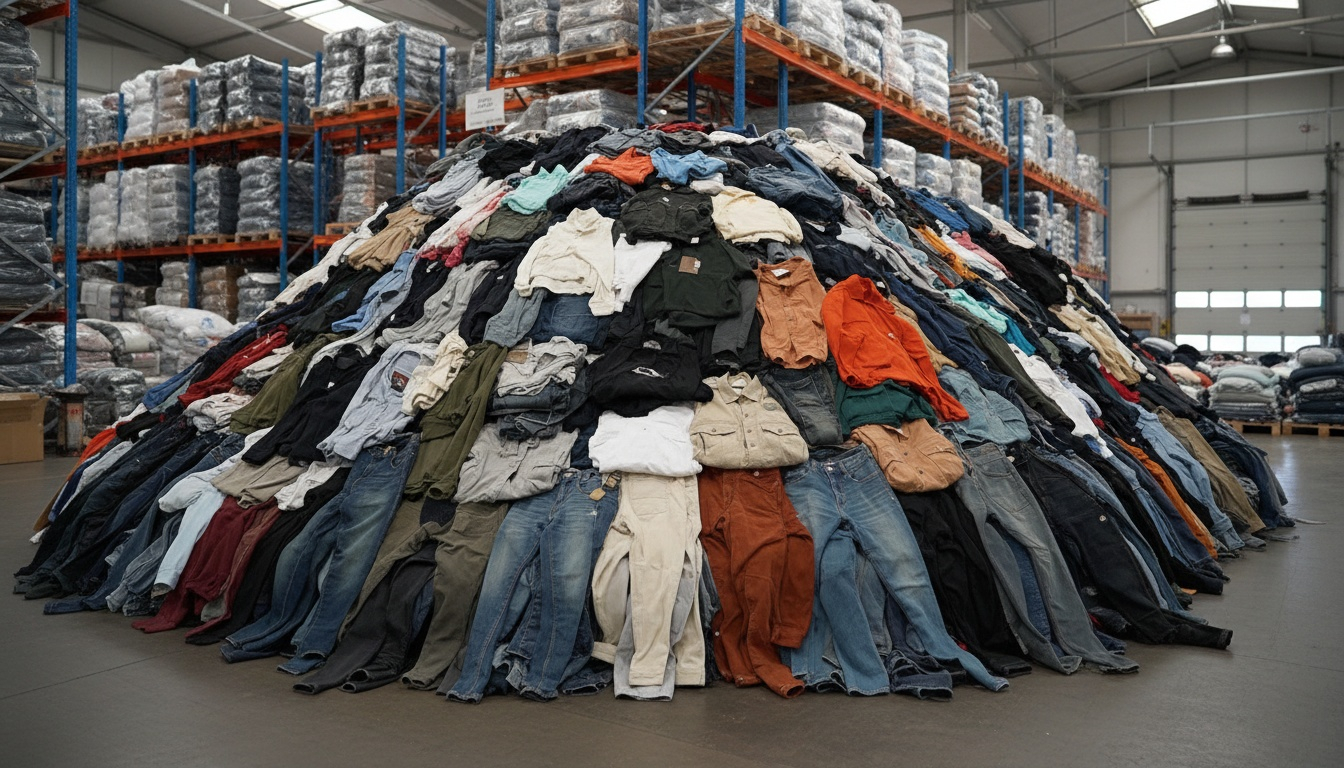
In today's competitive marketplace, sourcing quality used clothes in bulk is crucial for resellers and wholesalers aiming to meet customer demands while maintaining profitability. The second-hand clothing market is flourishing, driven by a growing consumer interest in sustainable fashion and unique apparel options. By partnering with a reputable wholesale clothing supplier, businesses can access a diverse selection of second-hand garments that cater to various demographics and fashion trends. Explore how to effectively navigate this market and enhance your business offerings.
Table of Contents
- What Are Used Clothes in a Bulk?
- Advantages of Using Bulk Second-Hand Clothing
- How to Source Quality Used Clothes
- Market Trends in Second-Hand Clothing
- Sustainability and Second-Hand Fashion
- Conclusion and Next Steps
What Are Used Clothes in a Bulk?
Used clothes in a bulk refer to large quantities of second-hand garments that are sold to businesses, such as wholesalers and retailers, rather than directly to consumers. These bulk purchases may include a mix of different styles, sizes, and types of clothing, providing resellers with a diverse inventory to cater to various customer preferences. The bulk buying model allows businesses to take advantage of lower prices per item, making it a cost-effective option for those looking to expand their offerings in the competitive clothing market.
The global trade of secondhand clothing is significant, with over 24 billion items traded annually, valued at more than 4.9 billion dollars (source). This thriving industry not only supports businesses but also promotes sustainable practices by extending the lifecycle of garments and reducing textile waste.
Advantages of Using Bulk Second-Hand Clothing
Choosing to invest in bulk second-hand clothing offers numerous benefits for resellers and wholesalers. First and foremost, the cost savings associated with bulk purchases can significantly enhance profit margins. As a wholesale clothing supplier, we provide competitive pricing that enables businesses to maximize their return on investment.
Additionally, offering unique and diverse inventory sourced from used clothes can set your business apart from competitors. Customers today are increasingly seeking one-of-a-kind pieces that reflect their individual style, making second-hand fashion an attractive option. Resellers can capitalize on this demand by curating collections that include various brands, styles, and sizes, ensuring that they appeal to a broad audience.
Furthermore, bulk second-hand clothing supports sustainability initiatives, aligning with the values of eco-conscious consumers. By promoting the use of second-hand garments, businesses can attract customers who prioritize sustainability in their purchasing decisions.
How to Source Quality Used Clothes
Finding quality used clothes in bulk requires strategic sourcing and partnership with reputable suppliers. As a B2B buyer, it is essential to evaluate potential suppliers based on their reputation, product quality, and reliability. Look for suppliers who specialize in wholesale second-hand clothing and have a proven track record of providing high-quality garments.
Additionally, consider visiting trade shows and industry events focused on second-hand fashion. These events provide opportunities to connect with suppliers, view products firsthand, and negotiate deals that can benefit your business. Creating strong relationships with suppliers can also lead to better pricing and exclusive access to high-demand items.
When assessing the quality of used clothes, it is vital to inspect the garments for any signs of wear or damage. Establishing quality control measures will ensure that your inventory meets the expectations of your customers and enhances your brand's reputation.
Market Trends in Second-Hand Clothing
The second-hand clothing market is experiencing significant growth, influenced by several key trends. One of the primary drivers is the increasing consumer awareness of sustainability and environmental impact. As consumers become more eco-conscious, they are actively seeking alternatives to fast fashion, leading to a surge in demand for second-hand apparel (source).
Moreover, social media platforms play a vital role in shaping fashion trends. Influencers and brands are promoting second-hand clothing as a stylish and sustainable choice, encouraging consumers to explore thrift stores and wholesale options for unique finds. This trend is further supported by the rise of online resale platforms, making it easier for consumers to access second-hand fashion from the comfort of their homes.
As a wholesaler or reseller, keeping abreast of these market trends will enable you to tailor your inventory and marketing strategies to meet the evolving demands of consumers.
Sustainability and Second-Hand Fashion
Sustainability has become a critical consideration in the fashion industry, and second-hand clothing plays a significant role in promoting eco-friendly practices. By choosing to sell used clothes in a bulk, businesses can contribute to reducing textile waste and minimizing the carbon footprint associated with garment production.
According to Eurostat, the EU exported clothes and footwear worth €141.8 billion in 2017, with a considerable portion being second-hand items (source). This highlights the importance of the second-hand market in global trade and its potential to promote sustainable practices.
Furthermore, by educating customers about the benefits of choosing second-hand clothing, businesses can foster a sense of responsibility among consumers and encourage more sustainable shopping habits.
Conclusion and Next Steps
In conclusion, sourcing quality used clothes in a bulk presents a valuable opportunity for resellers and wholesalers looking to capitalize on the growing demand for sustainable fashion. By partnering with a reputable wholesale clothing supplier, businesses can access diverse and affordable inventory that meets the needs of their customers. Stay informed about market trends and consumer preferences to ensure your offerings remain competitive in a dynamic landscape.
As you embark on your journey within the second-hand clothing market, consider implementing effective sourcing strategies, maintaining quality control, and promoting the sustainability aspect of your business. By doing so, you will not only enhance your brand's reputation but also contribute positively to the environment.
Key Takeaways
| Cost-Effective | Bulk purchases of used clothes provide significant savings, enhancing profit margins. |
| Diverse Inventory | Access to a variety of styles and sizes caters to a wide customer base. |
| Sustainability | Promoting second-hand clothing aligns with eco-conscious consumer values. |
| Market Growth | The second-hand clothing market is expanding rapidly due to increasing demand. |
FAQ
What types of used clothes can I find in bulk?
Bulk offerings may include a wide range of clothing types, such as vintage items, seasonal apparel, and different brands to cater to various consumer preferences.
How do I ensure the quality of used clothes I purchase?
Establish quality control measures, inspect garments for wear, and work with reputable suppliers known for maintaining high standards of product quality.
Is the second-hand clothing market growing?
Yes, the second-hand clothing market is experiencing significant growth, driven by consumer demand for sustainable and unique fashion options.
How can I attract customers to my second-hand clothing offerings?
Curate diverse collections, promote sustainability in your marketing efforts, and leverage social media to showcase your products and engage with potential customers.