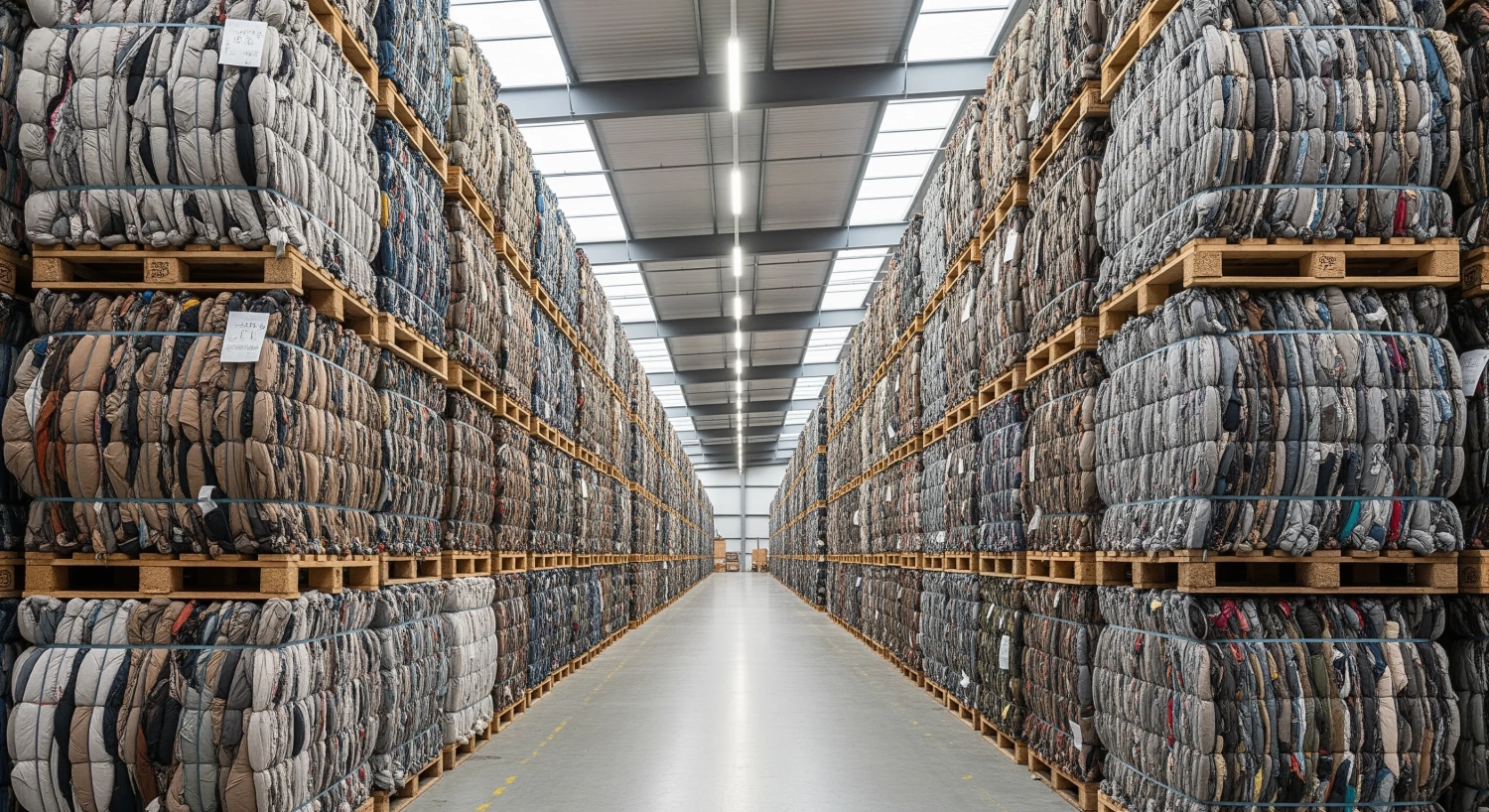
As a B2B buyer, sourcing premium second hand wholesale clothing can enhance your business's sustainability and cost efficiency. The market for second-hand clothing is growing rapidly, especially among businesses that prioritize eco-friendly practices. With a variety of suppliers in the UK, bulk purchasing options enable businesses to access diverse stock and meet the demands of their clientele. At UKClothingLTD, we specialize in providing high-quality used clothing that aligns with your B2B needs.
Table of Contents
- Understanding the Second Hand Clothing Market
- The Benefits of Sourcing Used Clothing
- How to Select the Right Supplier
- Grading and Sorting Second Hand Clothing
- Risk Mitigation in Bulk Sourcing
- Best Practices for Import and Export
Key Takeaways
| Aspect | Details |
|---|---|
| MOQ | Minimum Order Quantities vary by supplier; typically start from 500 kg. |
| Grading | Ensure the supplier provides clear grading (A, B, C) for the clothing quality. |
| Logistics | Select suppliers that offer reliable shipping options to reduce lead time. |
| Margins | Assess potential profit margins; second hand clothing often offers higher markup possibilities. |
Understanding the Second Hand Clothing Market
The second hand clothing market has witnessed significant trends, driven largely by sustainability and changing consumer preferences. According to research, the international second-hand clothing trade has provided valuable insights into the market dynamics and sustainability impacts associated with textile recycling. This growth creates ample opportunities for B2B buyers seeking sustainable inventory options. You can explore further on the international used clothing trade.
Moreover, the rising awareness of environmental issues has led businesses to embrace thrift wholesale as a viable option. This not only benefits your company but also contributes to a more sustainable fashion ecosystem.
The Benefits of Sourcing Used Clothing
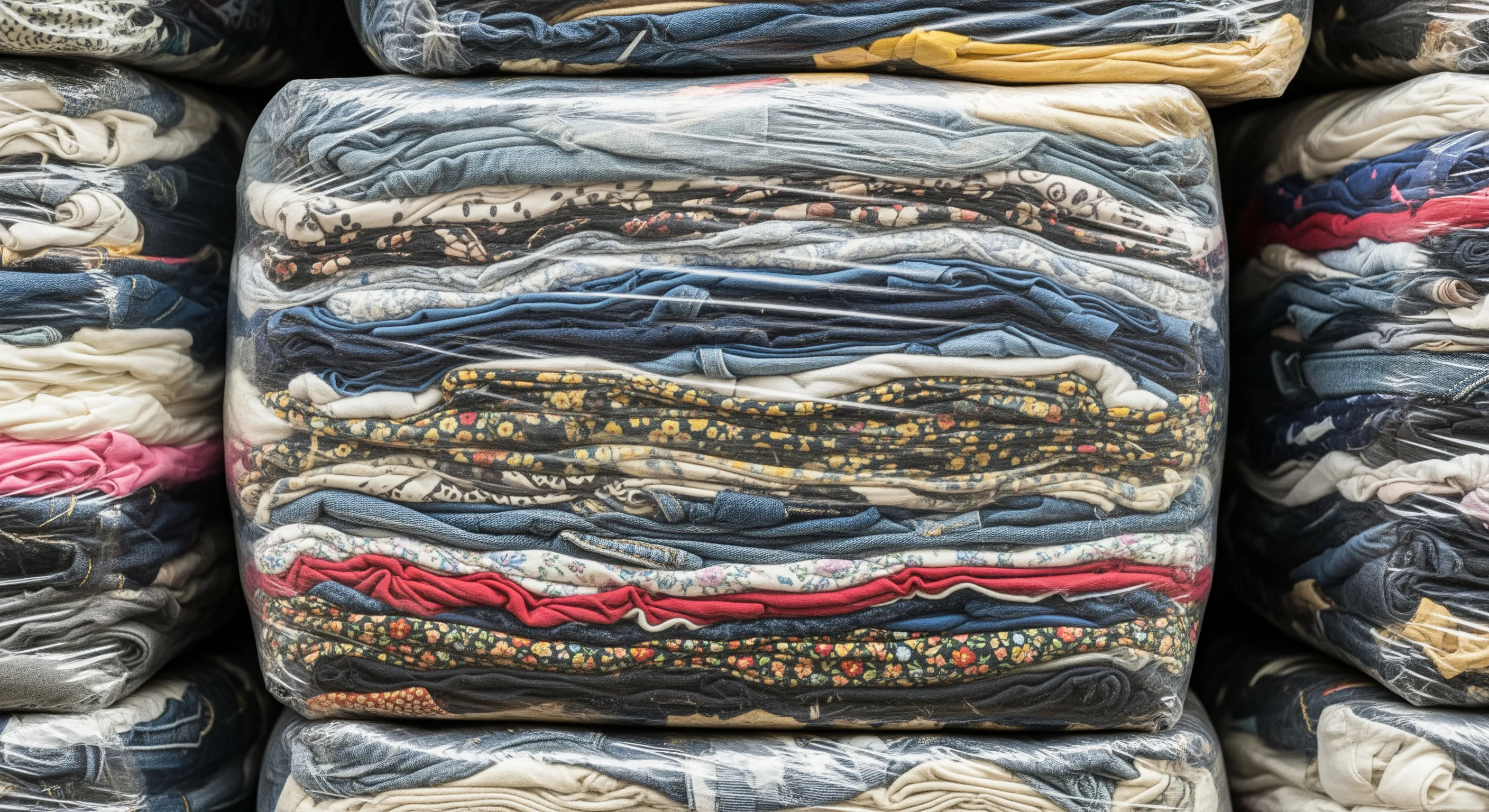
Utilizing second hand wholesale clothing has numerous advantages. First, it aids in cost reduction, as bulk purchasing often leads to lower prices per unit. This can enhance your profit margins significantly. Furthermore, relying on used clothing suppliers allows your business to tap into unique styles and vintage pieces that are increasingly sought after by consumers. It's essential to understand the potential cost savings associated with these products.
As noted in a comprehensive study, the economic impact of second-hand clothes extends well beyond mere purchase value, influencing broader market trends and consumer behaviors. Learn more about this impact through the economic impact of second-hand clothes in Africa and the EU.
How to Select the Right Supplier
Choosing the right used clothing supplier is crucial for your business’s success. When vetting potential partners, thoroughly assess their product quality, reliability, and turnaround time. Engaging in dialogue with them can offer insights into their sourcing processes, grading techniques, and stock availability. Beyond product quality, sustainability practices should also be a deciding factor.
Consider performing a risk assessment for potential suppliers, especially those involved in export logistics. Familiarize yourself with their operations to ensure they align with your sustainability goals. For additional insights on textile waste management, refer to the study about textile waste from fashion shops.
Grading and Sorting Second Hand Clothing
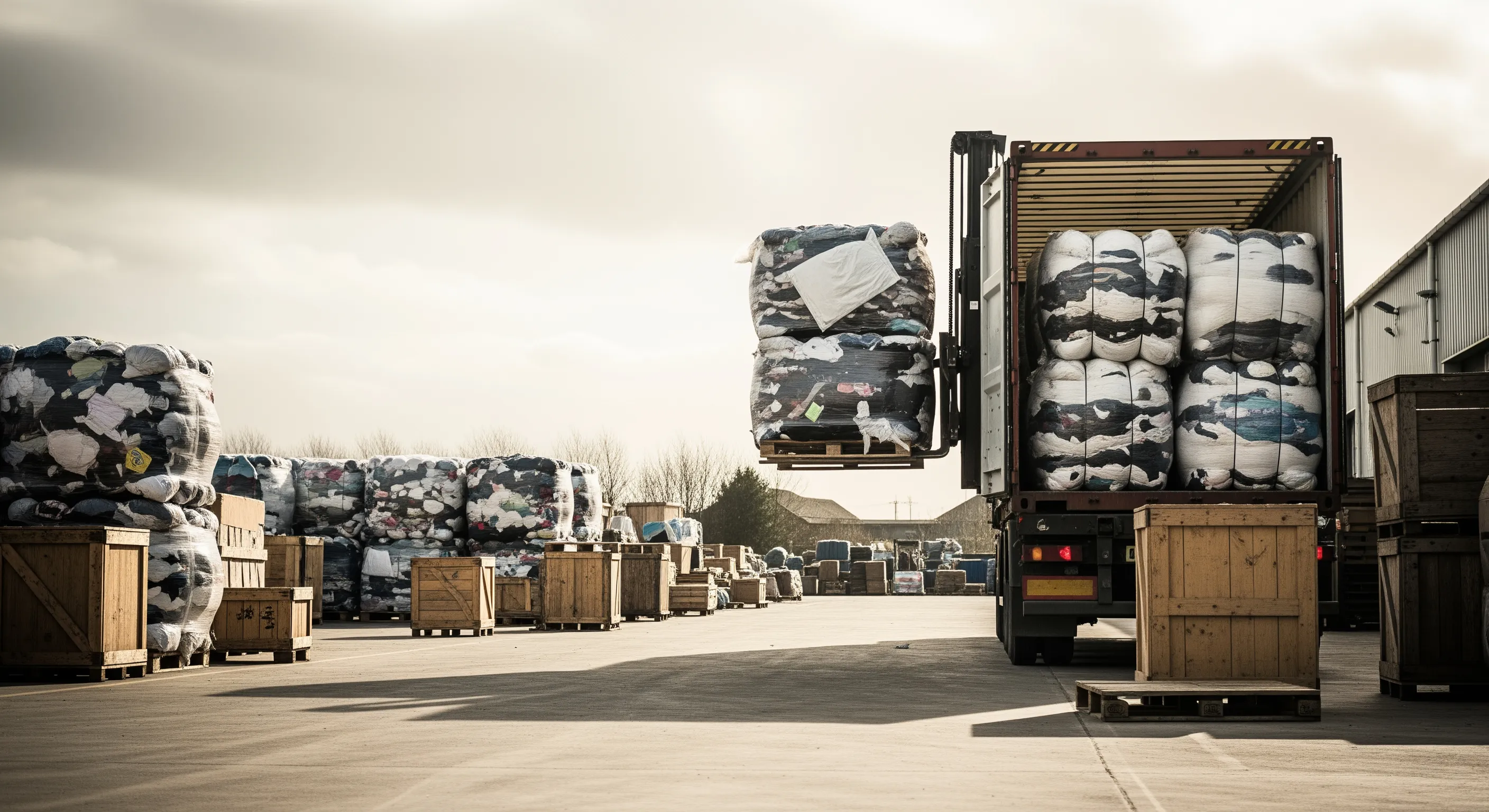
Understanding the grading system is essential when dealing with second hand apparel. Clothing is typically sorted into categories such as grade A, B, and C, which determine their resale value and marketability. This categorization affects the profitability of your purchases and ultimately influences your pricing strategy.
In reports focusing on the LCA (life cycle assessment) of used textiles, it’s advised to understand how different grades contribute to overall sustainability goals. Check the full report on management of European used textiles.
Pro tip: Familiarize yourself with common grading criteria to negotiate better pricing with suppliers.
Risk Mitigation in Bulk Sourcing
When sourcing second hand clothing in bulk, it’s vital to implement a risk mitigation strategy. Consider factors such as supplier reliability, product consistency, and market demand volatility. Implementing thorough contract terms that outline quality expectations can safeguard your business interests.
The bulk sourcing of used clothing is not without its risks. By diligently assessing suppliers and utilizing market intelligence, you can navigate challenges effectively. Referencing insights into green circuit principles can also bolster your approach—access the report on GreenCCircuit.
Pro tip: Regular audits of supplier practices can ensure ongoing compliance with quality standards.
Best Practices for Import and Export
When engaging in international trade of second hand clothing, understanding import/export regulations is essential. Awareness of customs duties, tariffs, and compliance with specific country regulations is crucial for smooth transactions. Thorough paperwork and a reliable logistics partner can significantly ease the process.
Utilize reporting from the EU regarding retail trade regulations to refine your strategies effectively. It’s recommended to review this retail trade and repair report for additional guidance.
Pro tip: Establish a comprehensive checklist for customs requirements specific to your target markets.
Unlock Cost Savings and Inventory Variety with Trusted UK Bulk Clothing Sourcing

For trade buyers who need consistent bulk supply and clear grading expectations, explore UKClothingLTD at ukclothingltd.com. If you’d like a quick recommendation on the best fit for your business model, volumes, and export requirements, contact the team here: https://ukclothingltd.com/contact.
Frequently Asked Questions
What is second hand wholesale clothing?
Second hand wholesale clothing refers to bulk supplies of used clothing that are traded primarily for resale purposes.
How can I ensure quality when purchasing used clothing?
Select reputable suppliers who provide clear grading and transparent sourcing methods.
What are typical minimum order quantities (MOQ)?
MOQs typically start from around 500 kg, depending on the supplier.
Are there specific regulations for importing second-hand clothes?
Yes, it is essential to be aware of import/export regulations, tariffs, and customs duties specific to your market.