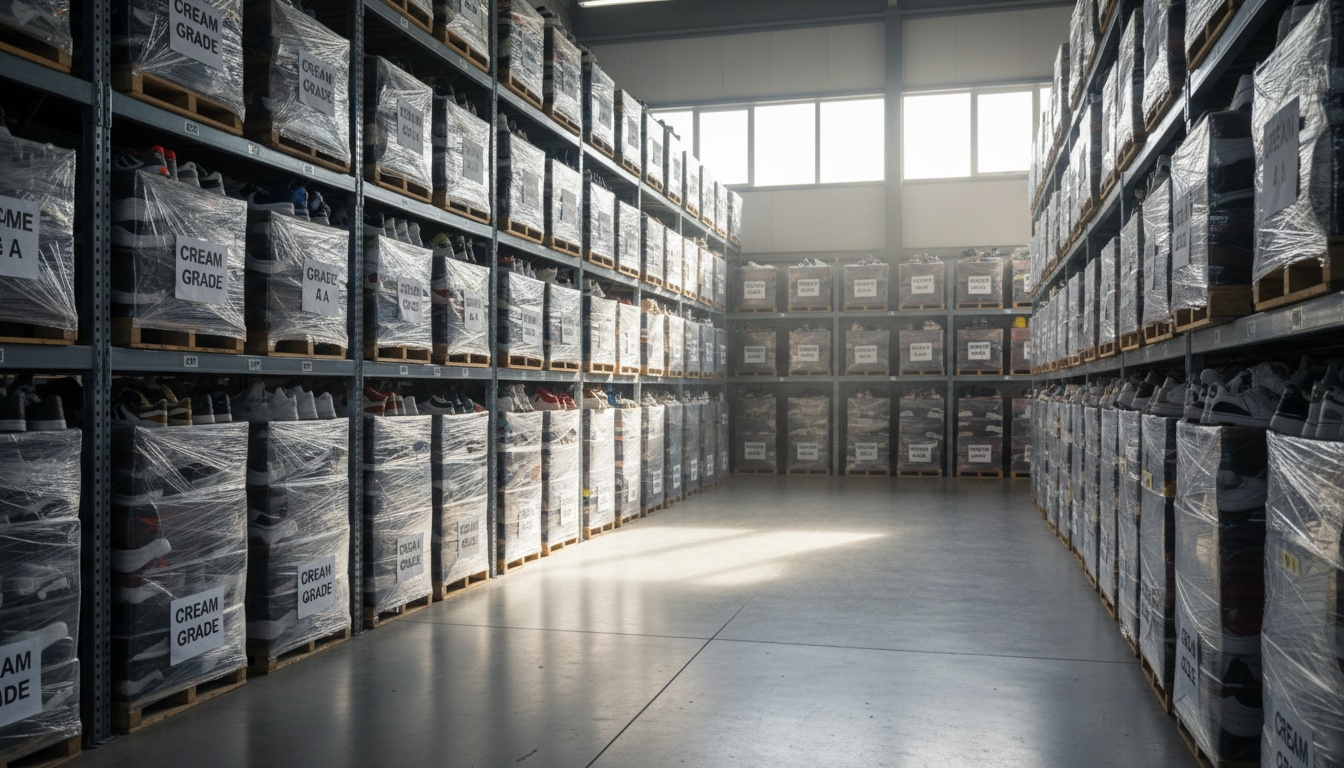
Buying used shoes wholesale can significantly enhance your business's profit margins while also providing sustainable options for your customers. As a B2B buyer, understanding the nuances of sourcing, bale grades, and logistics is crucial for maximizing the potential of your inventory. This guide will walk you through effective strategies to ensure you are making informed purchasing decisions that align with market demand and compliance regulations. With the right approach, you can optimize your inventory while also contributing to a more sustainable fashion industry.
Table of Contents
- Sourcing Strategies for Used Shoes
- Understanding Bale Grades
- Logistics and Container Loads
- Minimum Order Quantities (MOQs)
- Evaluating Resale Potential
- Compliance and Best Practices
Sourcing Strategies for Used Shoes
When it comes to sourcing used shoes wholesale, establishing relationships with reliable suppliers is essential. This includes evaluating the supplier's grading system and the quality of their offerings. Many bulk suppliers, including UK Clothing Ltd, provide various grades of shoes, ranging from high-quality 'Cream' grades to 'Grade A' and 'Original' categories. Leveraging these options allows you to tailor your purchases based on your target market's demands and your business model.
Furthermore, consider diversifying your sourcing channels. This could include participating in trade shows, exploring online marketplaces, or forming alliances with established wholesalers. Engaging with a diverse range of suppliers not only broadens your inventory options but also helps mitigate risks associated with supply chain disruptions. Keeping abreast of trends in the footwear industry can also guide your sourcing decisions; for instance, understanding which types of footwear are currently in demand can enhance your purchasing strategy.
Pro tip: Maintain clear communication with your suppliers regarding product quality and grading to avoid discrepancies.
Understanding Bale Grades
Understanding the different bale grades is crucial when you buy used shoes wholesale. Each grade reflects the quality and condition of the shoes, which directly impacts your resale potential. The common grades include 'Cream,' which consists of the highest quality items, 'Grade A,' featuring gently worn shoes, and 'Original,' which may include a mix of styles and conditions. Evaluating the grades can help you align your inventory with your business's pricing strategy.
For instance, 'Cream' grade shoes typically command higher prices due to their pristine condition, while 'Grade A' options may offer better margins for bulk resellers. It is essential to conduct thorough inspections of the products before buying, especially for 'Original' grades, to ensure that the items meet your quality standards. Familiarizing yourself with the grading terms used by suppliers will enable you to make informed purchasing decisions.
Buyer's note: Always request samples or visit the warehouse to inspect the goods before committing to a large order.
Logistics and Container Loads
Logistics plays a vital role in your ability to buy used shoes wholesale efficiently. Understanding container loads, such as 20ft and 40ft capacities, is essential for optimizing shipping costs. By purchasing in bulk, you can significantly reduce per-unit shipping costs, which enhances your overall profit margin. Ensure you are aware of the shipping regulations and potential customs duties associated with importing footwear to avoid unexpected expenses.
Additionally, consider the logistics of the entire supply chain, including sorting and quality checks upon arrival. Having a dedicated sorting facility, such as UK Clothing Ltd's operations in Brentwood, Essex, can streamline the process, allowing you to quickly assess your inventory and prepare it for resale. Efficient logistics not only save time but also minimize the risk of damages during transit.
Industry insight: Partnering with suppliers that offer container-ready bales can save you time and money in logistics.
Minimum Order Quantities (MOQs)
Minimum order quantities (MOQs) are another crucial aspect to consider when buying used shoes wholesale. Suppliers often set MOQs to ensure that their business operations remain viable, which can influence your purchasing strategy. Understanding the MOQ for each supplier is vital for planning your inventory effectively. This is especially important for wholesalers and resellers looking to maintain a consistent flow of products without tying up excessive capital.
Consider your current inventory levels and market demand when evaluating MOQs. If a supplier's MOQ is too high for your current capacity, it may be worth exploring alternative suppliers or negotiating terms. Additionally, you may want to assess whether pooling orders with other businesses or resellers could enable you to meet MOQ requirements while diversifying your inventory.
Quick win: Always negotiate MOQs with your suppliers to find a balance that accommodates your business needs.
Evaluating Resale Potential
Evaluating the resale potential of used shoes is essential for maximizing profitability. Factors such as brand reputation, style trends, and condition significantly impact how quickly items can be sold. Researching current market trends and consumer preferences can give you insights into which types of shoes are likely to perform well. For instance, if sports shoes or ethically sourced footwear are trending, focusing your inventory on these categories could yield higher returns.
Incorporating data analytics into your purchasing decisions can also provide a competitive edge. By analyzing sales data and customer feedback, you can make informed decisions about which products to prioritize in your inventory. Additionally, consider the platforms you use for resale; some marketplaces may offer better visibility for certain types of footwear, affecting the overall resale potential.
Watch out: Stay informed about market trends to ensure that your inventory aligns with consumer demand.
Compliance and Best Practices
Compliance with local regulations regarding the sale of second-hand shoes is critical for B2B buyers. Ensure that the products you source adhere to safety and quality standards to avoid legal issues and protect your brand reputation. Understanding the necessary documentation, such as quality certificates and compliance reports, is essential for smooth operations.
Moreover, it is advisable to establish best practices for inventory management and customer service. This includes maintaining accurate records, providing transparent product information, and implementing effective return policies. Building a reputation for quality and reliability will not only enhance customer trust but also foster long-term business relationships.
Worth knowing: Regularly review compliance regulations to stay ahead of any changes that may impact your operations.
Frequently Asked Questions
What are the benefits of buying used shoes wholesale?
Buying used shoes wholesale allows businesses to achieve higher profit margins, reduce costs through bulk purchasing, and contribute to sustainable practices within the fashion industry.
How do I determine the quality of used shoes before purchasing?
To determine the quality of used shoes, inspect samples, understand the grading system used by the supplier, and evaluate the condition of the shoes based on industry standards.
What are the typical minimum order quantities for used shoes?
Minimum order quantities can vary by supplier but typically range from a few bales to full container loads, depending on the supplier's policies.
How can I evaluate the resale potential of used shoes?
Evaluate resale potential by researching market trends, analyzing sales data, and considering factors such as brand reputation and style popularity.