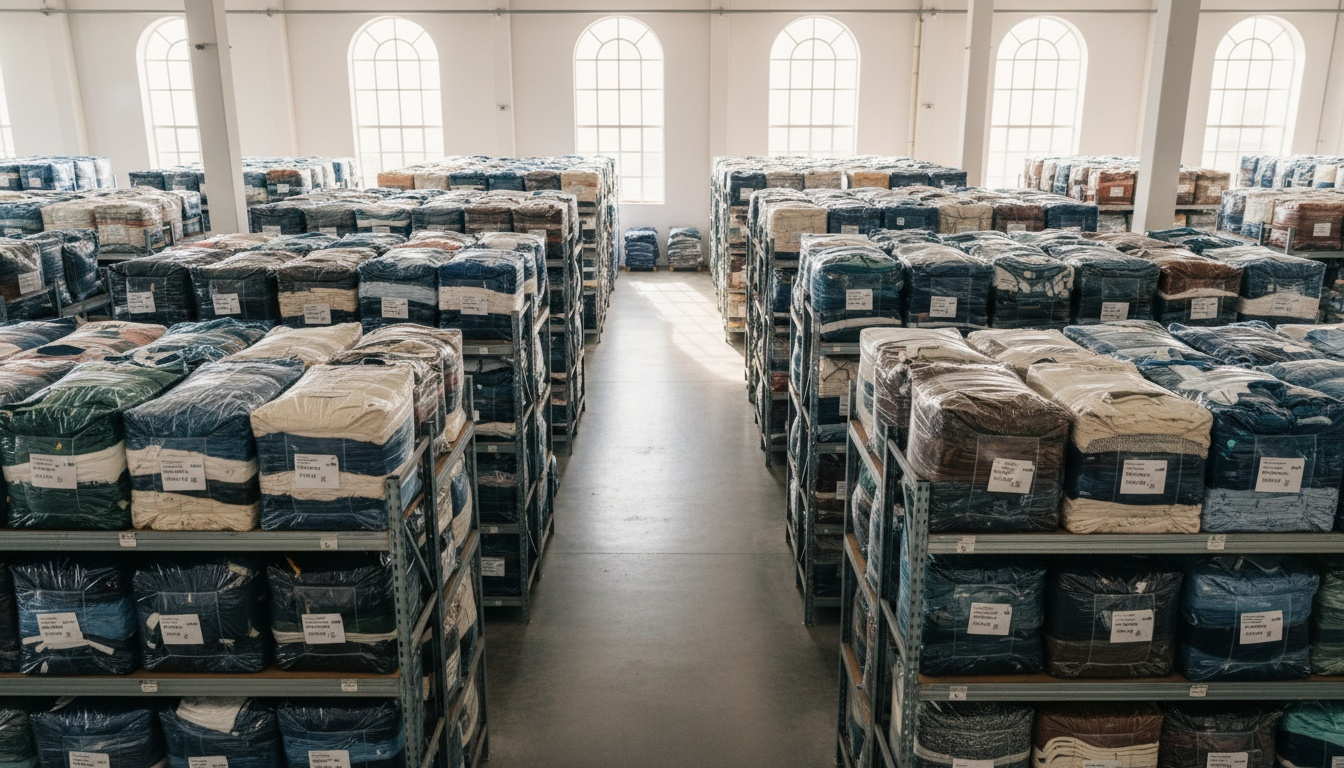
For businesses looking to optimize their sourcing strategies, buying second hand clothes wholesale in the UK offers a blend of cost-effectiveness and sustainability. With growing market demand for second-hand apparel, resellers, store owners, and exporters can benefit from a variety of bale grades and flexible container logistics. Understanding the nuances of sourcing second-hand clothing allows wholesale buyers to maximize their profit margins while maintaining compliance with industry standards. This guide will explore effective strategies to navigate the wholesale landscape and enhance your purchasing decisions.
Table of Contents
- Understanding Bale Grades
- Sourcing Strategies for Second Hand Clothes
- Container Logistics and Minimum Order Quantities
- Resale Profit Potential
- Market Demand for Second Hand Clothing
- Compliance and Regulations
Understanding Bale Grades
When you buy second hand clothes wholesale in the UK, it's crucial to understand the different bale grades available. Each grade represents varying levels of quality and condition, which directly impacts resale value. The primary categories include Cream, Grade A, Original, and Cash Mix. Cream is often composed of premium items, making it ideal for businesses targeting high-end resellers. Grade A typically features gently used clothing in good condition, while Original may include a mix of styles that appeal to diverse markets. Cash Mix, on the other hand, consists of lower-grade items that can be sold at a lower price point.
By familiarizing yourself with these grades, you can align your purchasing decisions with your target market and business strategy. For instance, if your customer base prefers quality, investing in Cream and Grade A bales may yield higher profits. Conversely, if you aim to cater to budget-conscious consumers, Cash Mix could be a cost-effective option. Understanding these grades also aids in managing expectations regarding product quality and resale potential.
Pro tip: Always request samples of different bale grades to assess quality before making large purchases.
Sourcing Strategies for Second Hand Clothes
Effective sourcing strategies are essential when considering how to buy second hand clothes wholesale in the UK. Establishing relationships with reputable suppliers like UK Clothing Ltd can provide access to high-quality products and reliable logistics. Additionally, considering sorted versus unsorted options is crucial. Sorted clothing allows for better inventory management, as you can select specific items that align with your business model, while unsorted options may offer lower prices but come with increased handling time and potential quality issues.
When sourcing, consider leveraging industry networks or attending trade shows to connect with potential suppliers. Building lasting relationships can lead to better pricing and exclusive access to high-demand items. Additionally, take advantage of warehouse visit programs to inspect the goods before purchase. This hands-on approach ensures you receive quality products and builds trust in your supplier relationship.
Buyer's note: Focus on developing a diversified supplier portfolio to mitigate risks associated with reliance on a single source.
Container Logistics and Minimum Order Quantities
Understanding container logistics is vital for wholesale buyers looking to buy second hand clothes wholesale in the UK. When ordering in bulk, particularly full container loads, it’s essential to be aware of minimum order quantities (MOQs) and shipping costs. UK Clothing Ltd offers both 20ft and 40ft container options, which can significantly reduce per-unit costs when ordering larger quantities. This can help you achieve better margins and streamline your inventory.
Additionally, ensure that you have a clear understanding of shipping documentation and procedures to avoid delays. Proper compliance with import regulations can save your business time and money. Take the time to familiarize yourself with essential shipping documents, such as customs declarations and invoices, to facilitate smoother transactions. Working with logistics partners who understand the second-hand clothing market can further enhance your operational efficiency.
Industry insight: Consolidating orders to meet container capacity can lead to significant cost savings, especially for international buyers.
Resale Profit Potential
One of the primary motivations for buying second hand clothes wholesale in the UK is the potential for high resale profits. The resale value of second-hand items can vary significantly based on factors such as brand, condition, and market demand. By understanding your target market, you can strategically select items that will yield the highest return on investment. Researching current trends and customer preferences can guide your buying decisions and help you stock products that are in demand.
Additionally, focusing on high-margin categories can enhance profitability. Categories such as vintage clothing, branded items, or unique pieces often command higher prices in the resale market. Regularly analyzing sales data and customer feedback can help you refine your product offerings and optimize your inventory management. This proactive approach can significantly boost your overall profitability.
Quick win: Monitor competitive pricing and adjust your resale strategy accordingly to maintain market relevance and maximize profits.
Market Demand for Second Hand Clothing
The market demand for second-hand clothing continues to grow, driven by increased consumer awareness of sustainability and ethical fashion. As a wholesale buyer, capitalizing on this trend can position your business for success. Understanding current market dynamics, including emerging fashion trends and consumer preferences, can guide your sourcing strategies and inventory decisions.
In the UK, the second-hand clothing market is becoming increasingly competitive, with more retailers and online platforms entering the space. To stay ahead, consider diversifying your product range to include not just clothing but also complementary items such as shoes, bric-a-brac, and toys. This diversification can attract a broader customer base and enhance your overall sales potential.
Watch out: Stay informed on market trends and consumer behavior to adapt your offerings and maintain a competitive edge.
Compliance and Regulations
Compliance with industry regulations is crucial when buying second hand clothes wholesale in the UK. As a wholesale buyer, you must ensure that the products you source meet all local and international regulations concerning safety and quality. This is particularly relevant for categories such as toys and children's clothing, where strict safety standards are in place.
Additionally, understanding the import and export regulations for second-hand goods is essential for maintaining smooth operations. This includes adhering to customs requirements and ensuring proper documentation for all shipments. Partnering with a supplier that prioritizes compliance can mitigate risks and ensure that your business operates within legal frameworks.
Worth knowing: Regularly review compliance guidelines to stay updated on any changes in regulations that may affect your purchasing strategy.
Frequently Asked Questions
What are the advantages of buying second hand clothes wholesale?
Buying second hand clothes wholesale allows businesses to access a diverse range of products at lower costs, which can lead to higher profit margins and a sustainable inventory.
How can I determine the quality of second hand clothes?
Requesting samples from suppliers and visiting warehouses can help assess the quality of second hand clothes before making bulk purchases.
What should I consider when selecting a supplier?
Consider factors such as reputation, product quality, compliance with regulations, and the availability of different bale grades when selecting a supplier.
How can I maximize my resale profits?
Focus on high-demand products, monitor market trends, and optimize your inventory management to maximize resale profits.